
Conditions and treatments
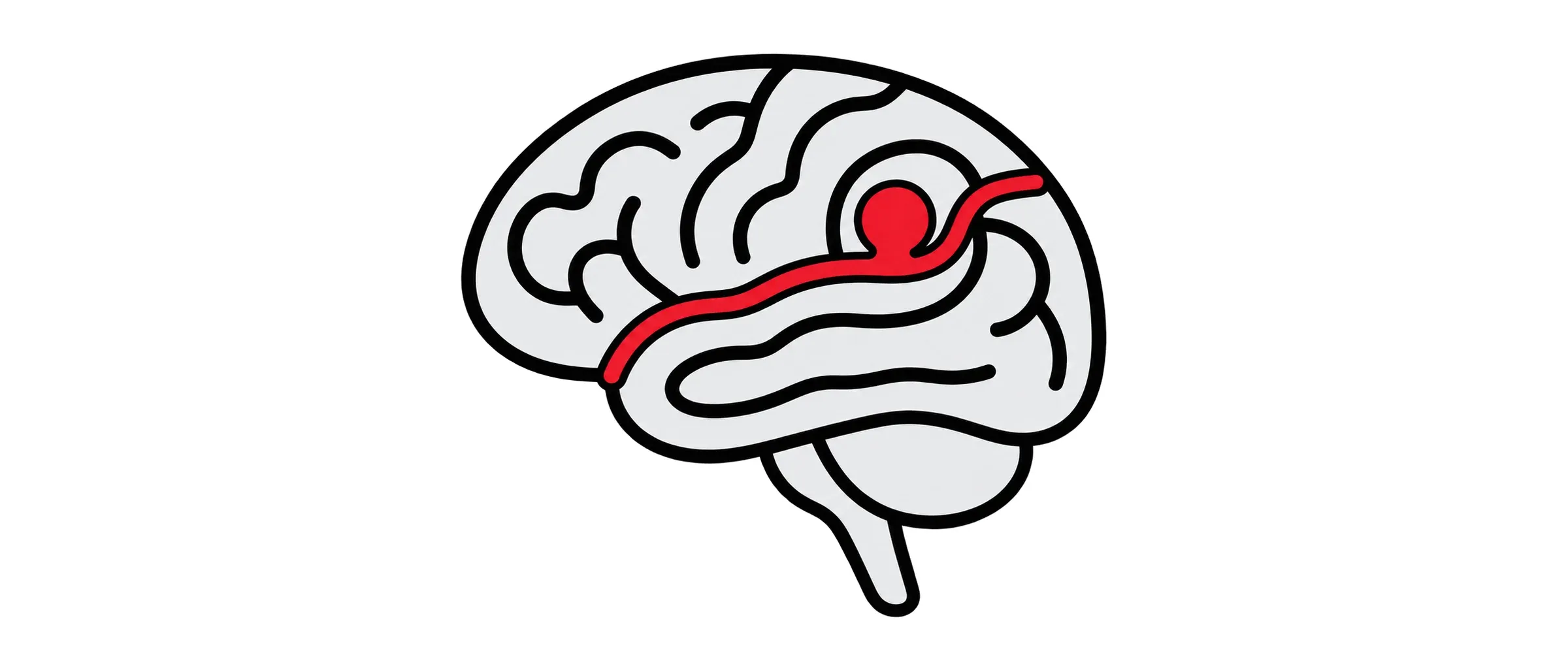
Brain aneurysm
Treatment of a weakened, ballooned area of a brain artery from inside the blood vessel, using coiling, stent-assisted coiling or a flow diverter.
Pulsatile tinnitus
Diagnosis and minimally invasive treatment of rhythmic, heartbeat-like ear noise caused by abnormal blood flow around the brain.
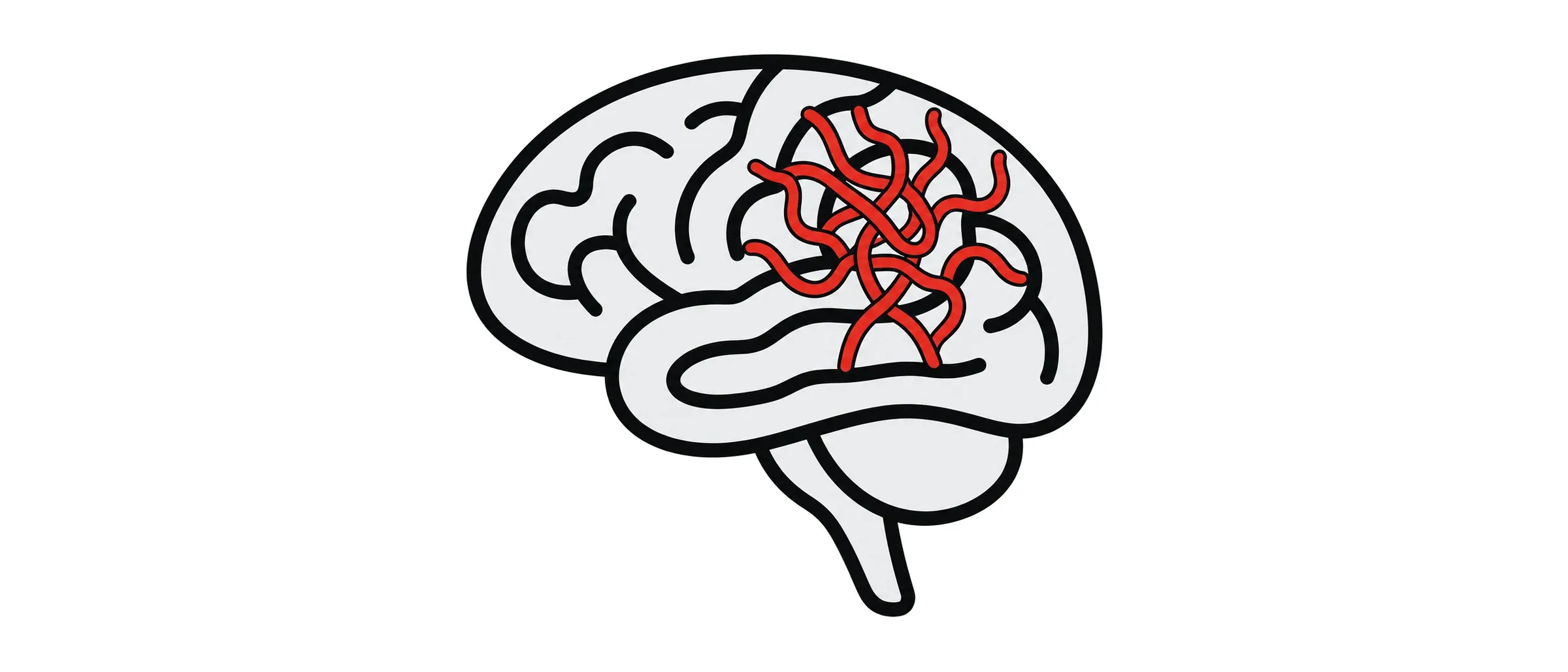
Brain AVM
Treatment of abnormal tangles of brain blood vessels using embolisation, sometimes combined with surgery or radiosurgery.
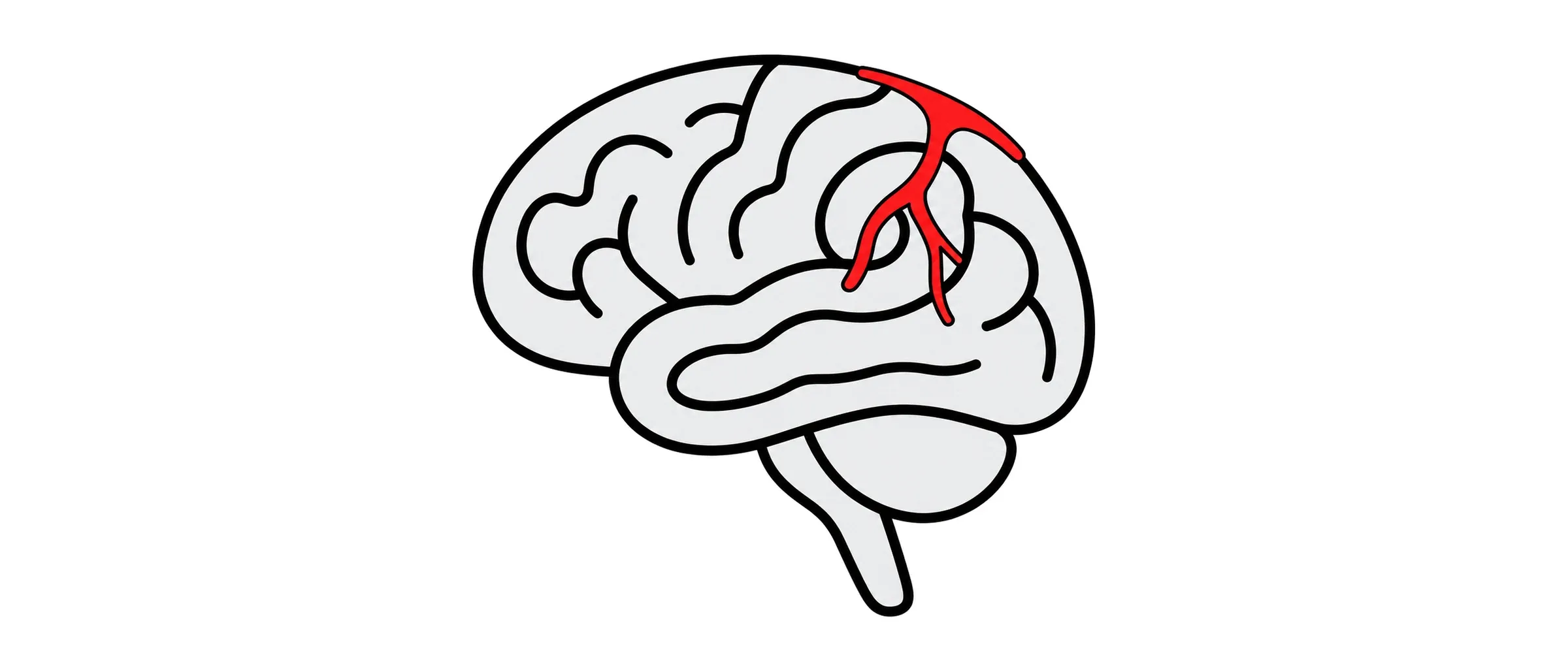
Cranial dural fistula
Sealing abnormal artery-to-vein connections in the lining around the brain to restore normal blood flow and prevent bleeding.

Spinal dural fistula
Mapping and sealing abnormal spinal blood vessel connections to protect the spinal cord from progressive damage.

Spinal AVM
Careful embolisation of abnormal spinal blood vessels to protect the spinal cord from bleeding and loss of function.
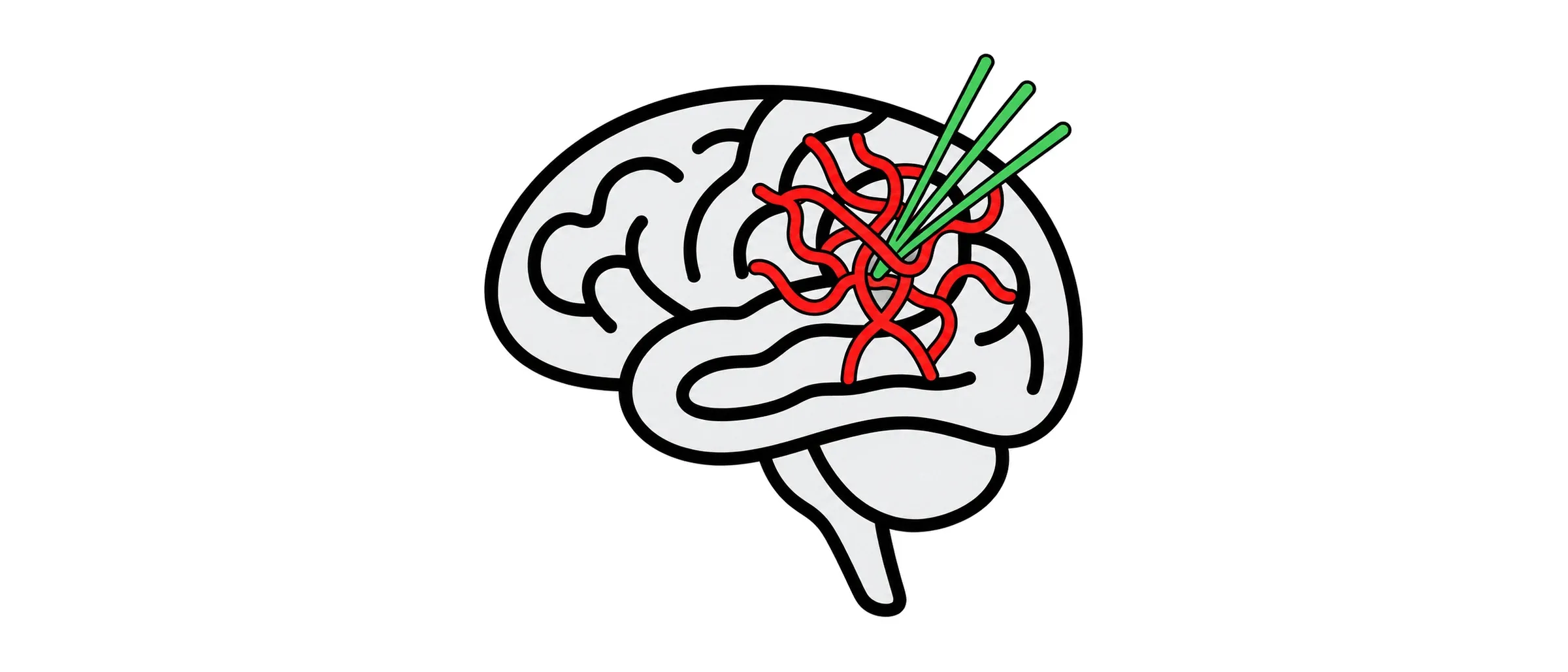
Gamma Knife for AVM
Precisely targeted radiation used to gradually close off deep or complex brain AVMs without open surgery.
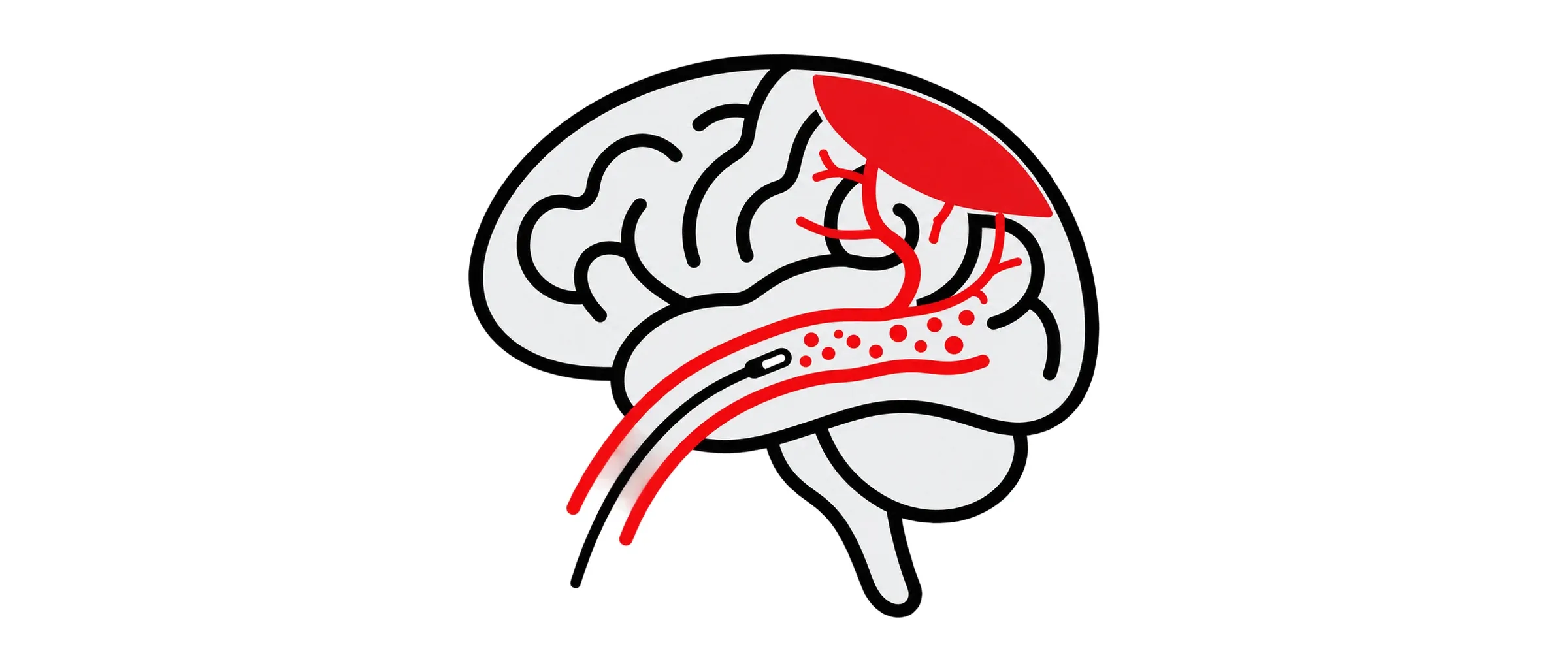
Embolisation for subdural haematoma
A minimally invasive procedure (middle meningeal artery embolisation) to treat chronic blood collections on the brain’s surface and reduce the chance of recurrence.
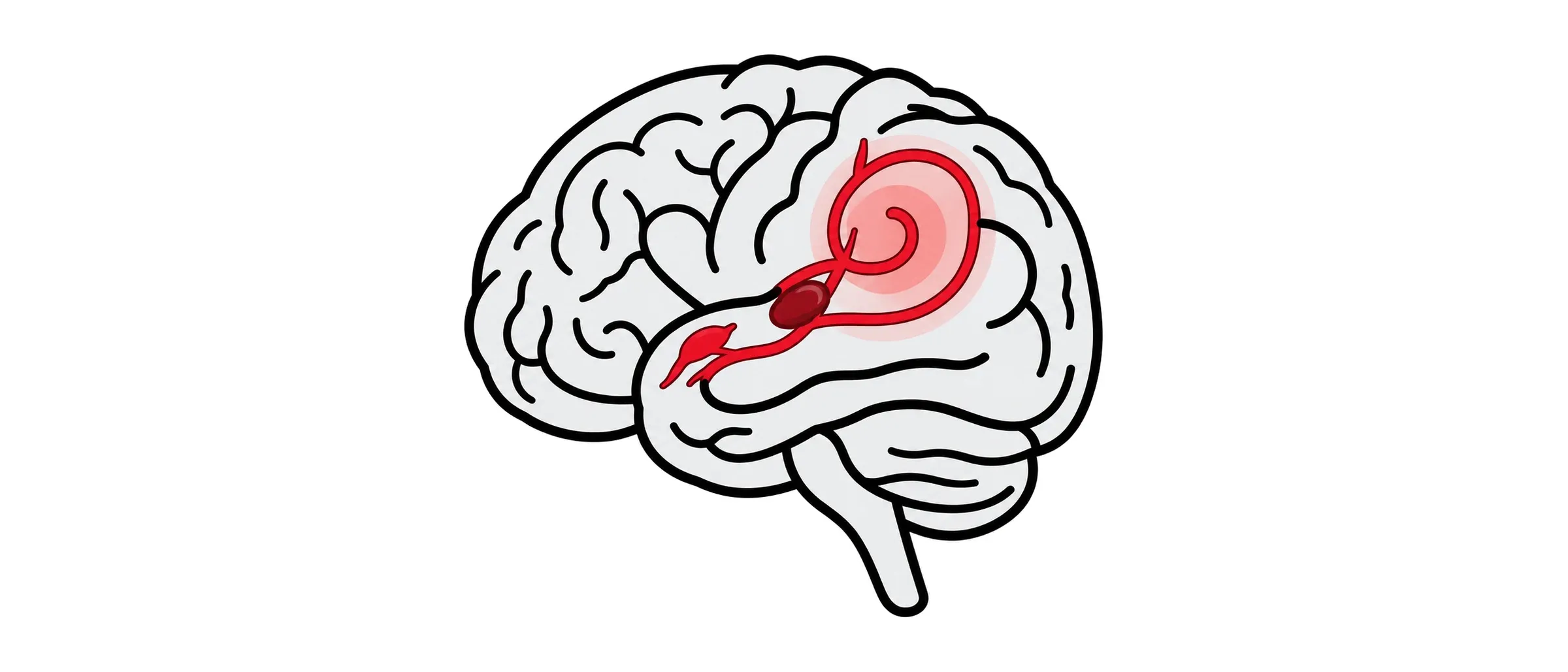
Stroke
Emergency clot retrieval (mechanical thrombectomy) to reopen blocked brain arteries quickly and limit long-term disability. If someone has stroke symptoms now, call 999.
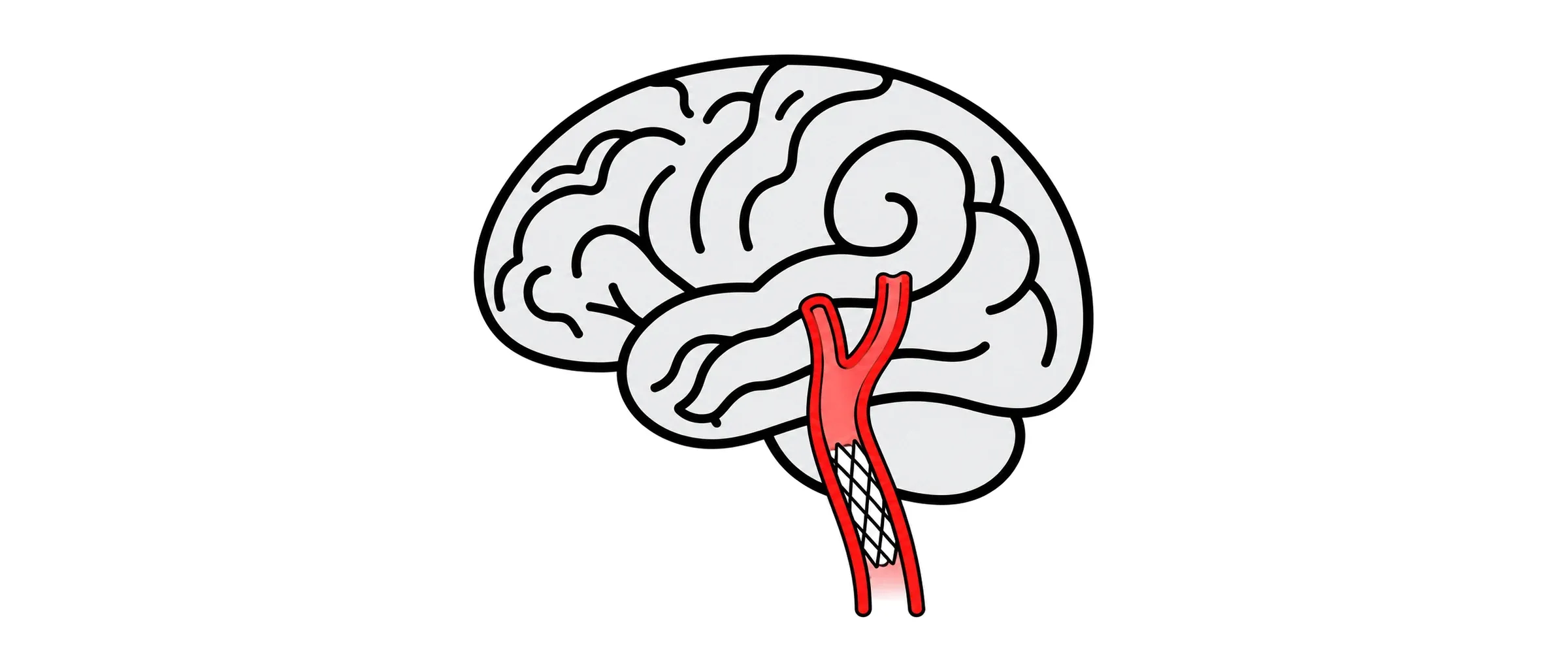
Carotid stent
Opening narrowed neck arteries with a small mesh tube to restore healthy blood flow to the brain and reduce stroke risk.
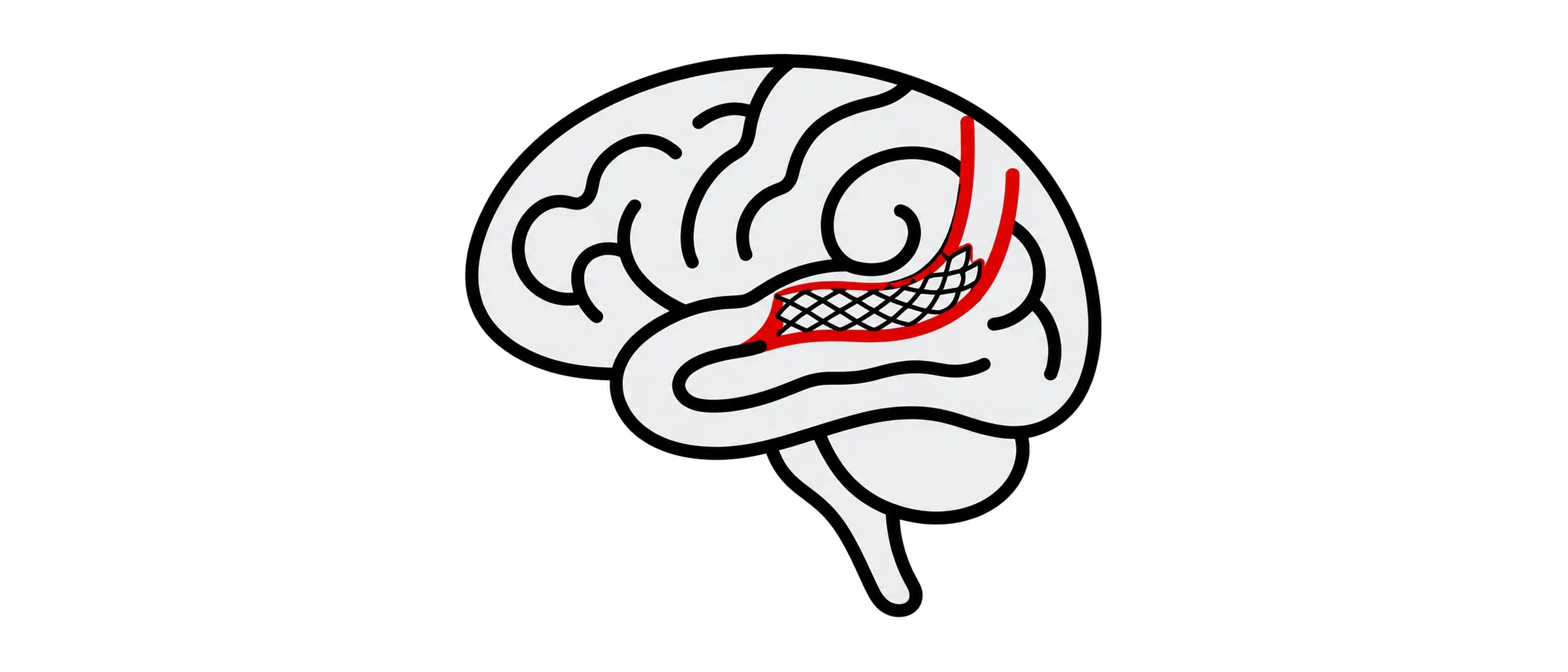
Intracranial stent
Placing a fine mesh tube inside a narrowed brain artery to improve blood supply and help prevent stroke.
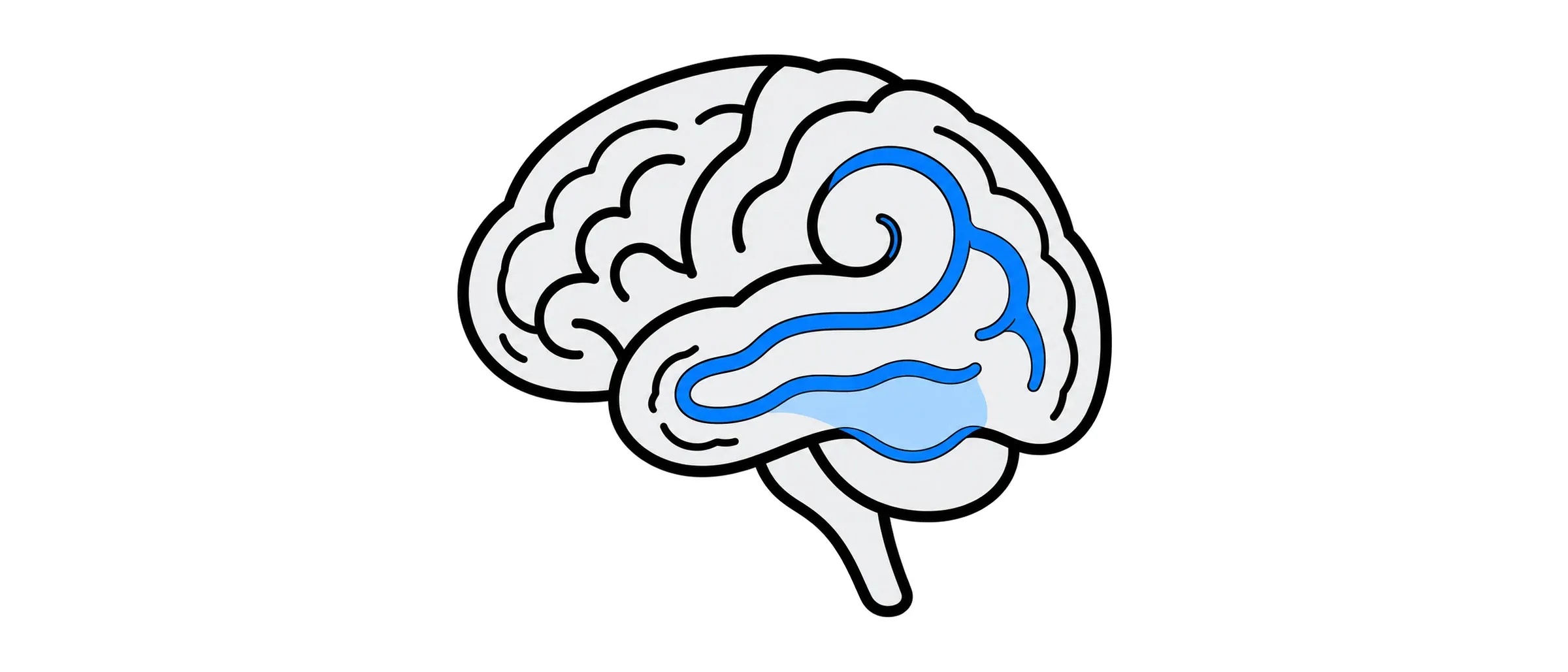
Cerebral venous disorders
Minimally invasive treatment of narrowed or blocked brain veins to improve the brain’s natural blood drainage.
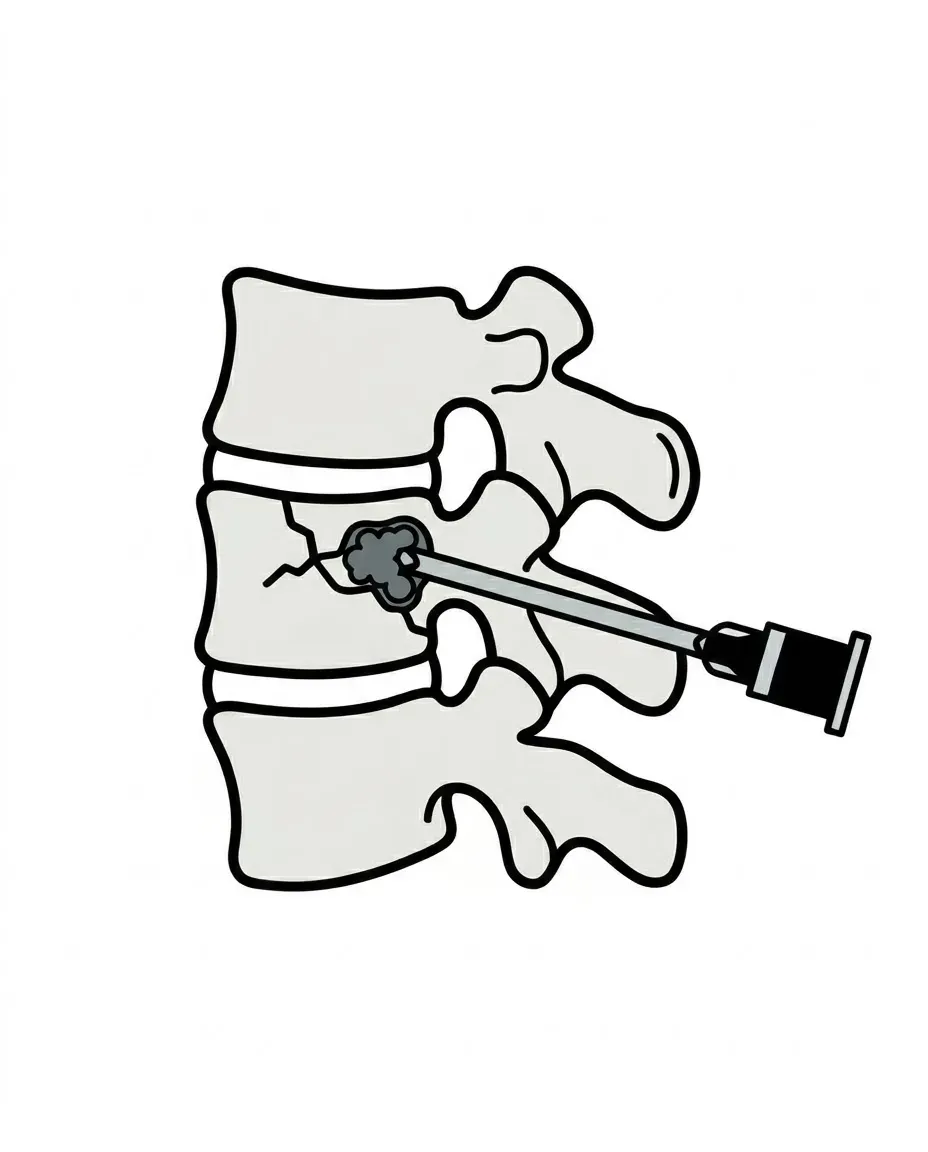
Vertebroplasty and kyphoplasty
Cement stabilisation of a painful spinal compression fracture through a needle, with balloon kyphoplasty, vertebral stenting or an expandable implant where lost height needs restoring.
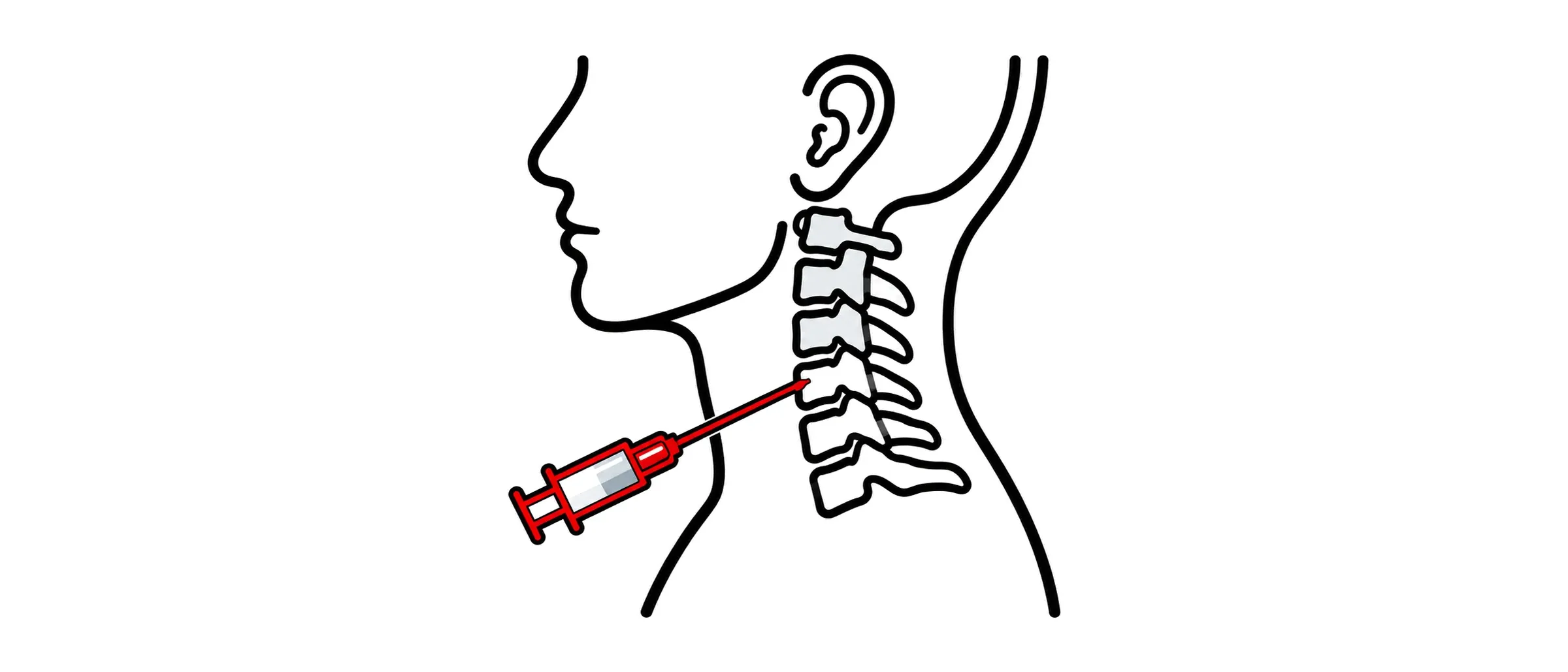
Spine injection
Targeted, image-guided injections to relieve pain from nerve irritation or inflammation in the back and neck.
CSF disorders
Pinpointing and sealing spinal fluid leaks to resolve severe, position-related headaches.
Myelogram
Detailed contrast imaging of the spinal canal to identify nerve compression, fluid leaks or other structural problems.
Lumbar puncture
A precise, image-guided sampling of spinal fluid for diagnosis or to relieve raised pressure.
What is interventional neuroradiology?
Interventional neuroradiology, also known as neurointervention or endovascular neurosurgery, is a rapidly expanding field that uses image guidance to reach and treat brain and spine conditions through the blood vessels or the skin. Needles rather than scalpels, and no skin incisions.