CSF disorders

The brain floats in cerebrospinal fluid. When that fluid leaks from the spine the brain sags and the head aches, typically worse on standing and better lying flat. Finding the leak is the hard part. Sealing it is the treatment.
What it is
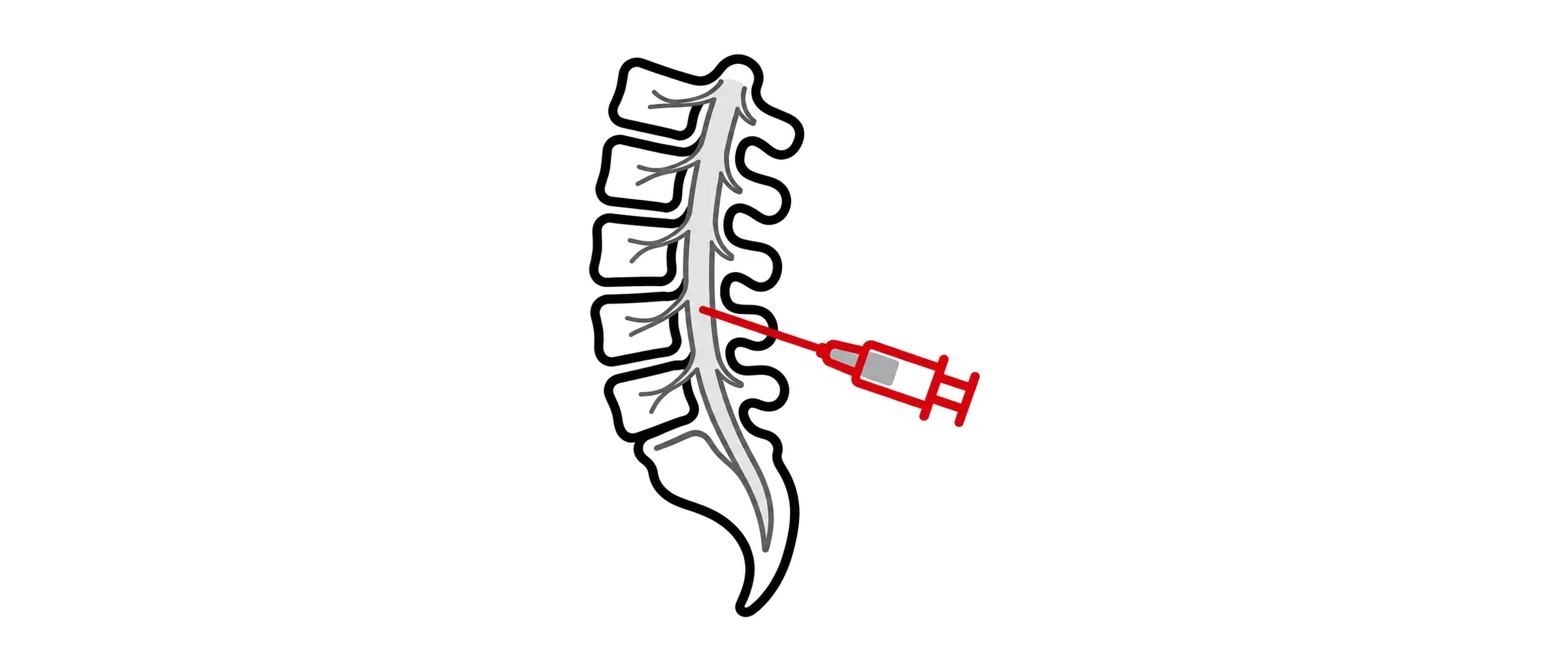
Spontaneous intracranial hypotension is a leak of CSF from the spinal canal, through a tear in the lining, a weak outpouching or an abnormal connection between the fluid space and a spinal vein (a CSF venous fistula). The headache is positional at first, though that pattern can fade in long-standing cases. Neck pain, nausea, a change in hearing, visual disturbance and difficulty thinking clearly are common. It is under-recognised, and many patients have been treated for migraine for years.
How it is found
MRI of the brain shows the signs of low pressure. MRI of the spine may show fluid outside the canal. Pinpointing the leak needs dynamic myelography: contrast is injected into the spinal fluid and its movement is captured with CT or fluoroscopy in real time, with the patient positioned so that the leak declares itself. Different leak types need different myelographic techniques, and choosing the right one is part of the expertise.
How I treat it
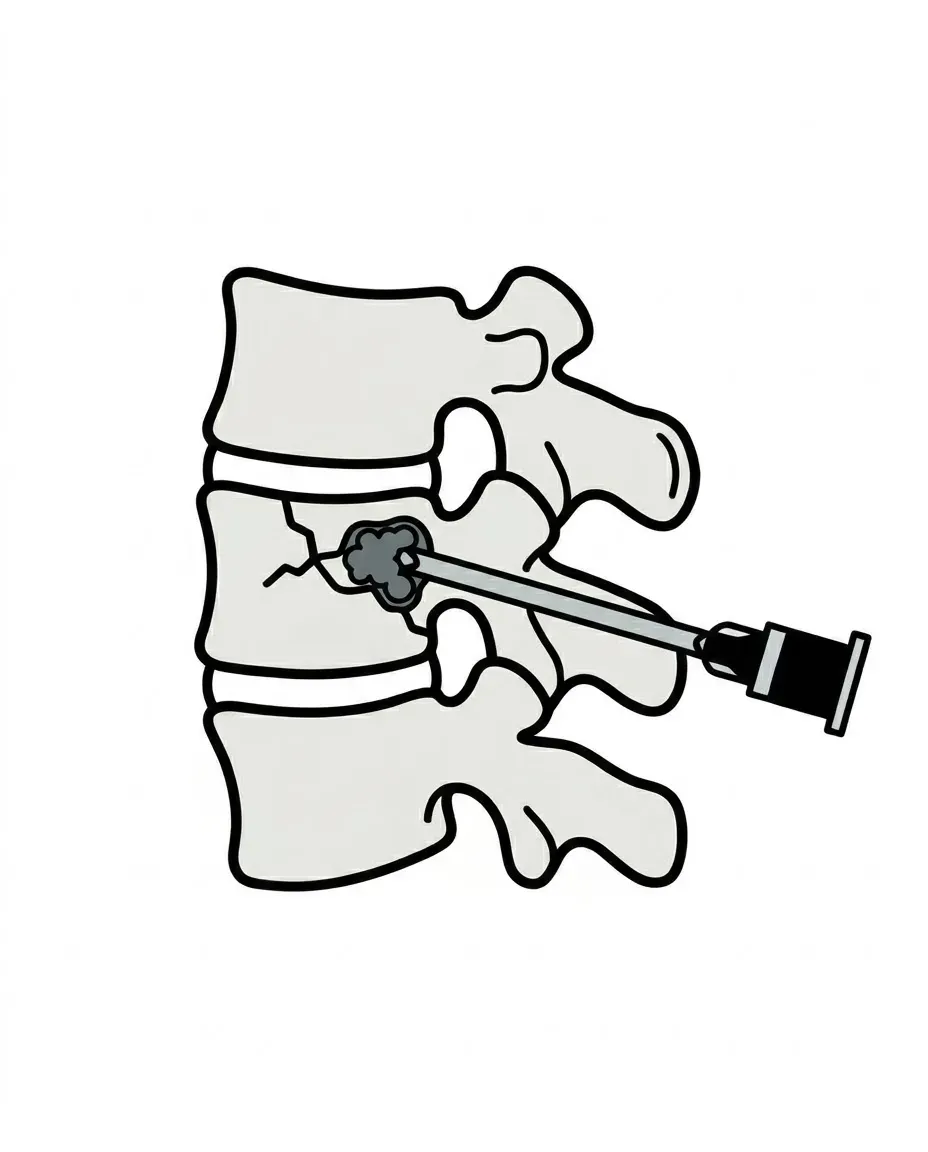
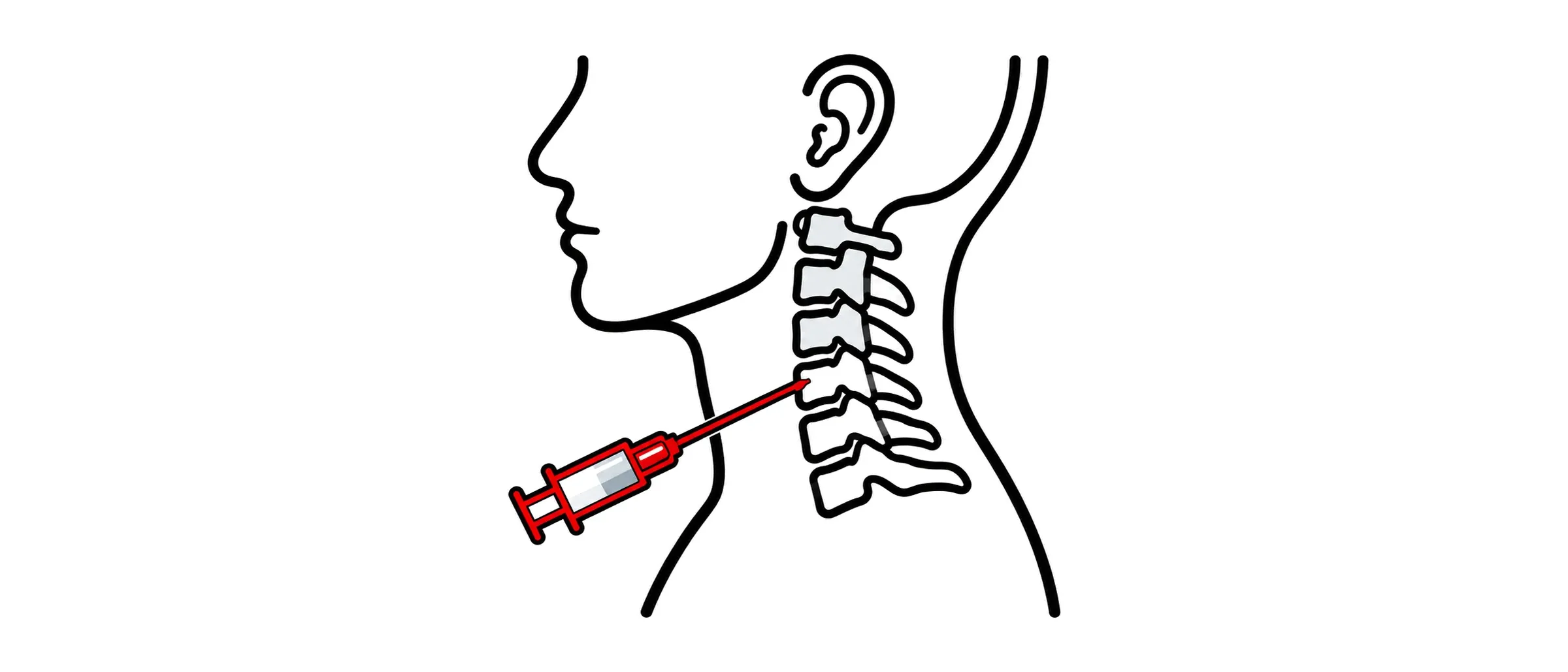
An epidural blood patch, in which a small volume of your own blood is injected outside the spinal lining to seal the leak, is the first treatment for most leaks. Targeted patches with blood or fibrin glue at the exact level follow when a general patch fails. A CSF venous fistula is treated differently: under general anaesthetic, I pass a catheter through a vein in the arm or leg to the small spinal vein draining the fistula and block it with a liquid embolic agent. I was the first in the UK to treat a CSF venous fistula this way. Some tears need surgical repair, which I arrange with spinal surgical colleagues.
What to expect
Patches and embolisation are day-case procedures. Relief can be quick but is often gradual. A transient rebound intracranial hypertension (rebound high pressure) occurs in approximately 15% to 20% of patients, giving a different headache that feels worse lying down; this arises during the first days post-procedure and is treatable.
Risks and follow-up
Patches carry small risks of back pain, nerve irritation and, rarely, infection or bleeding. Embolisation risks include rebound high pressure and bruising at the access site. Follow-up MRI at about three months checks the brain has recovered.
Common questions about CSF disorders
How do I know if my headache is a leak?
A headache that is reliably better lying flat and worse within minutes of standing is the strongest clue. Not every leak follows the pattern, so a specialist review of your history and MRI is worthwhile.
Is a lumbar puncture needed?
Sometimes, to measure pressure. Often the MRI and myelography give the answer without one.
Have another question?
Ask a question and the AI assistant will answer from Dr Makalanda’s published information. It cannot give personal medical advice, so please do not share personal or medical details. For emergencies, call 999.