Brain AVM
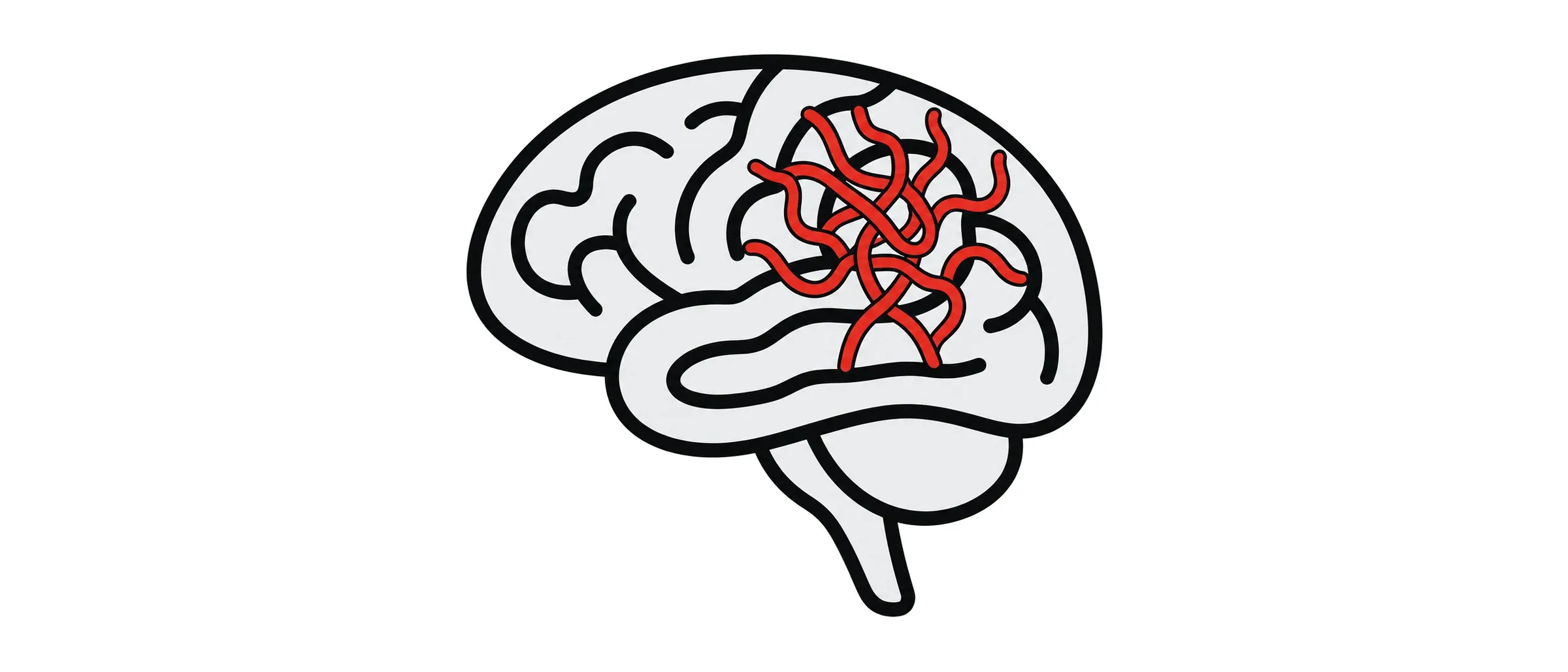
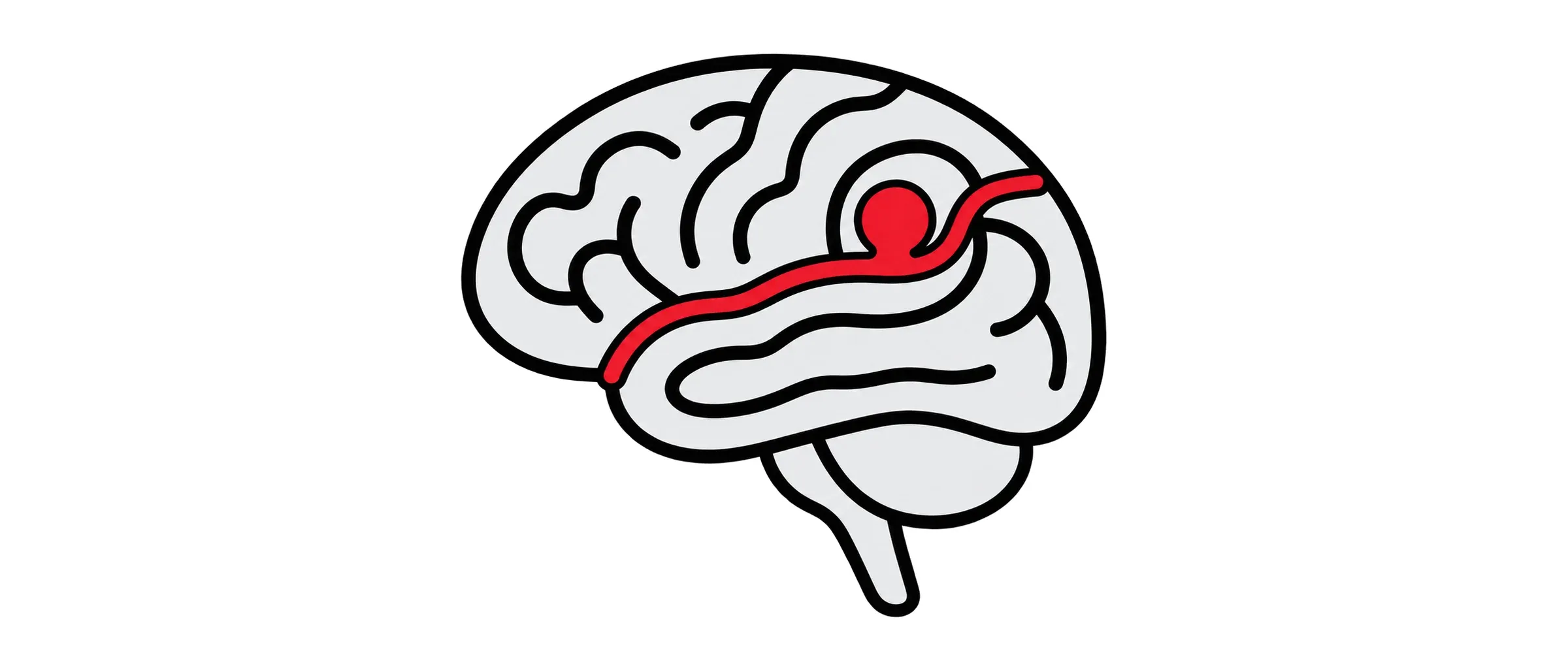
A brain AVM is a tangle of abnormal vessels, present from birth, in which arteries connect directly to veins. The risk is bleeding. Treatment is a team decision, and I am the member of that team who treats from inside the vessels.
What it is
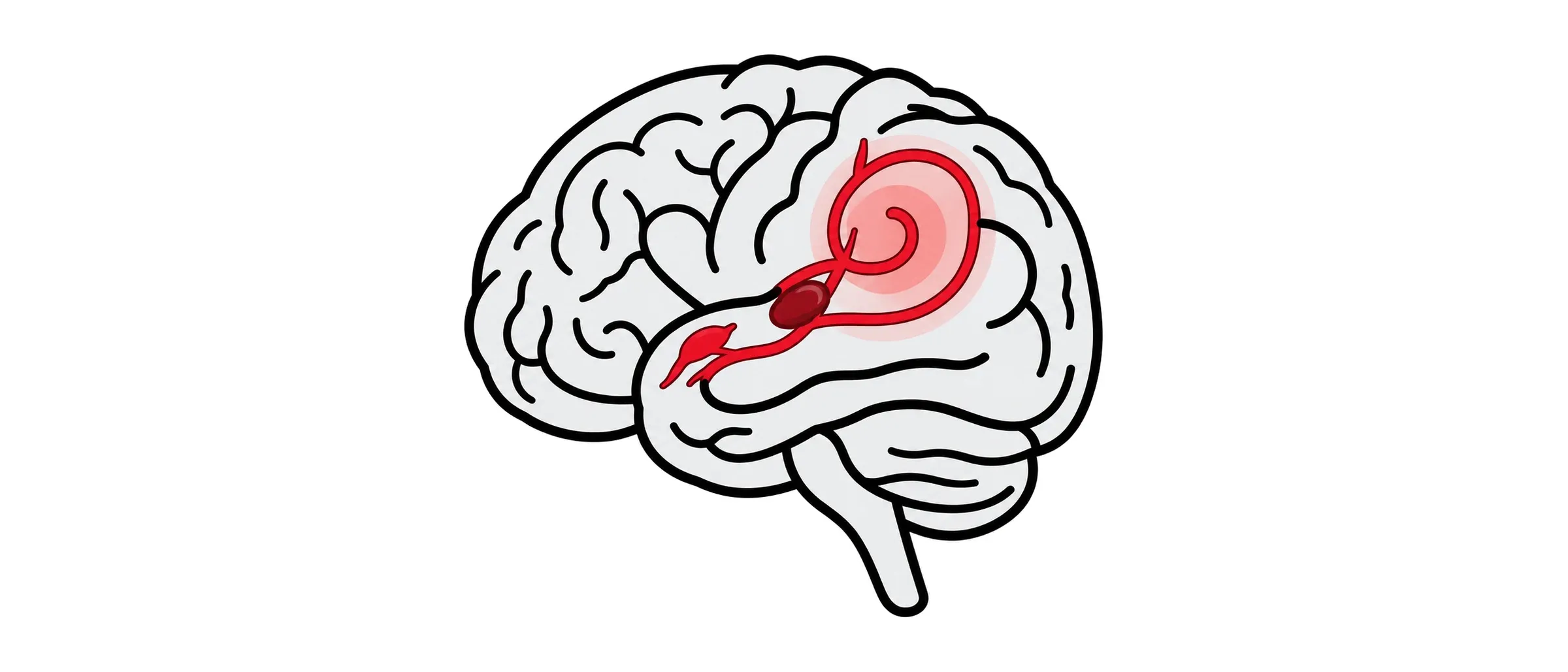
In an AVM the tangle (the nidus) shunts high-pressure blood straight from arteries into veins. Most cause no trouble for years. They come to light through a bleed, a seizure, headaches or, increasingly, by chance on a scan. Once an AVM has bled the chance of another bleed rises, which is why a bleed usually leads to treatment.
How it is found
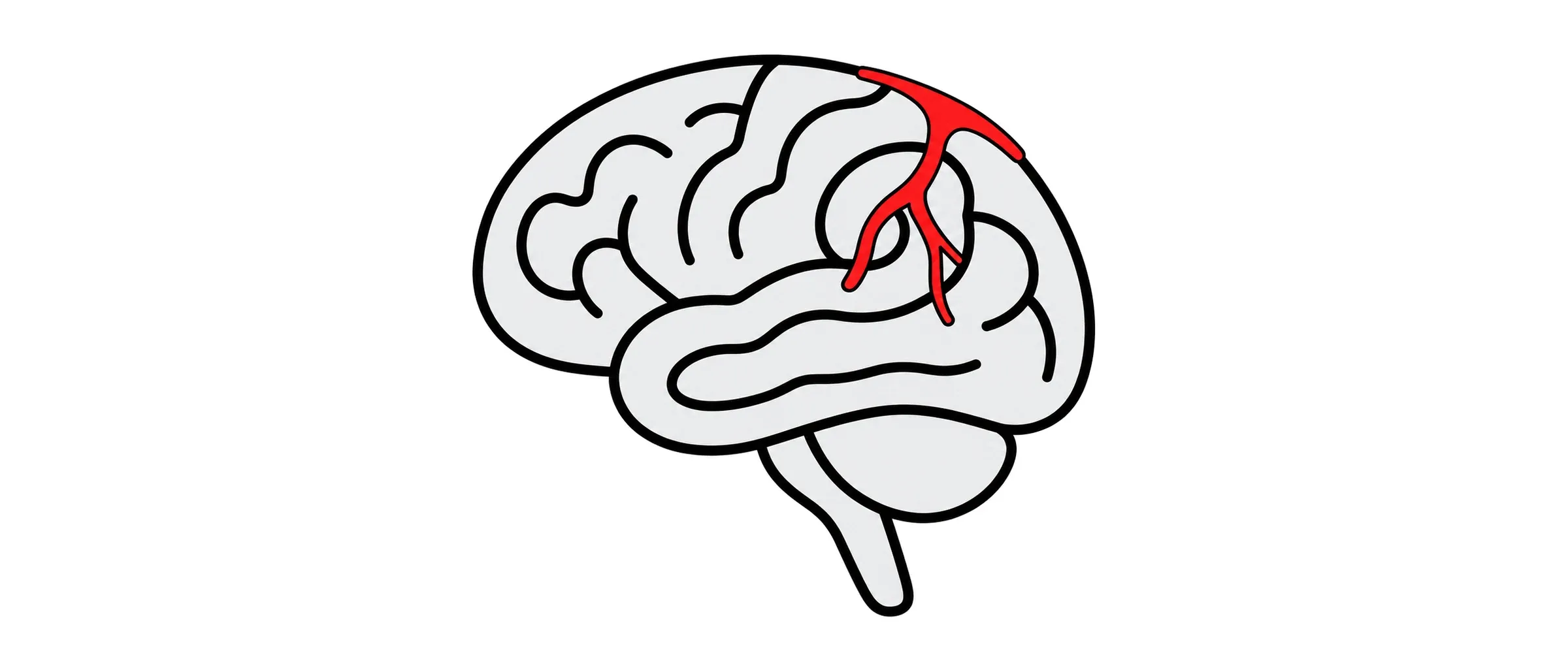
MRI shows the AVM and its relationship to the surrounding brain. A catheter angiogram is essential for planning: it maps every feeding artery, the nidus and the draining veins, and shows features such as aneurysms within the tangle that raise the risk of bleeding.
How I treat it
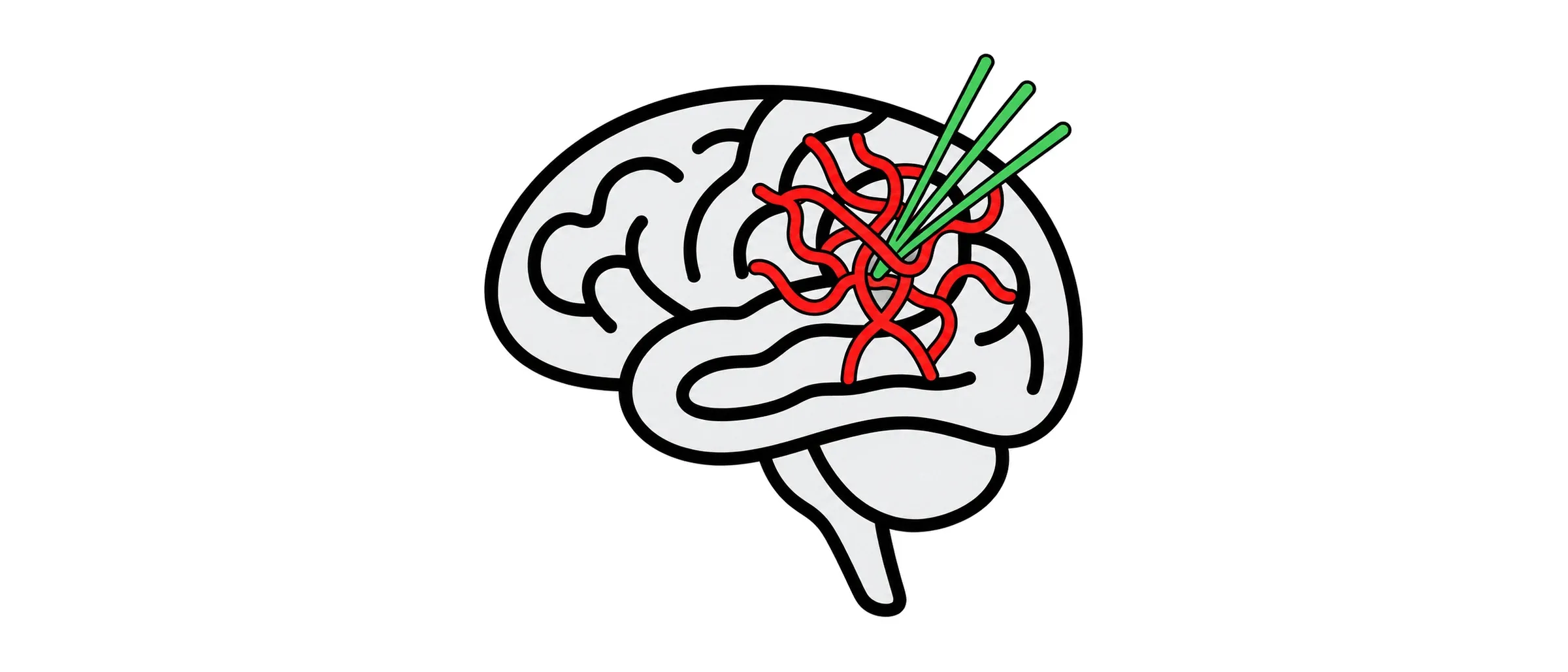
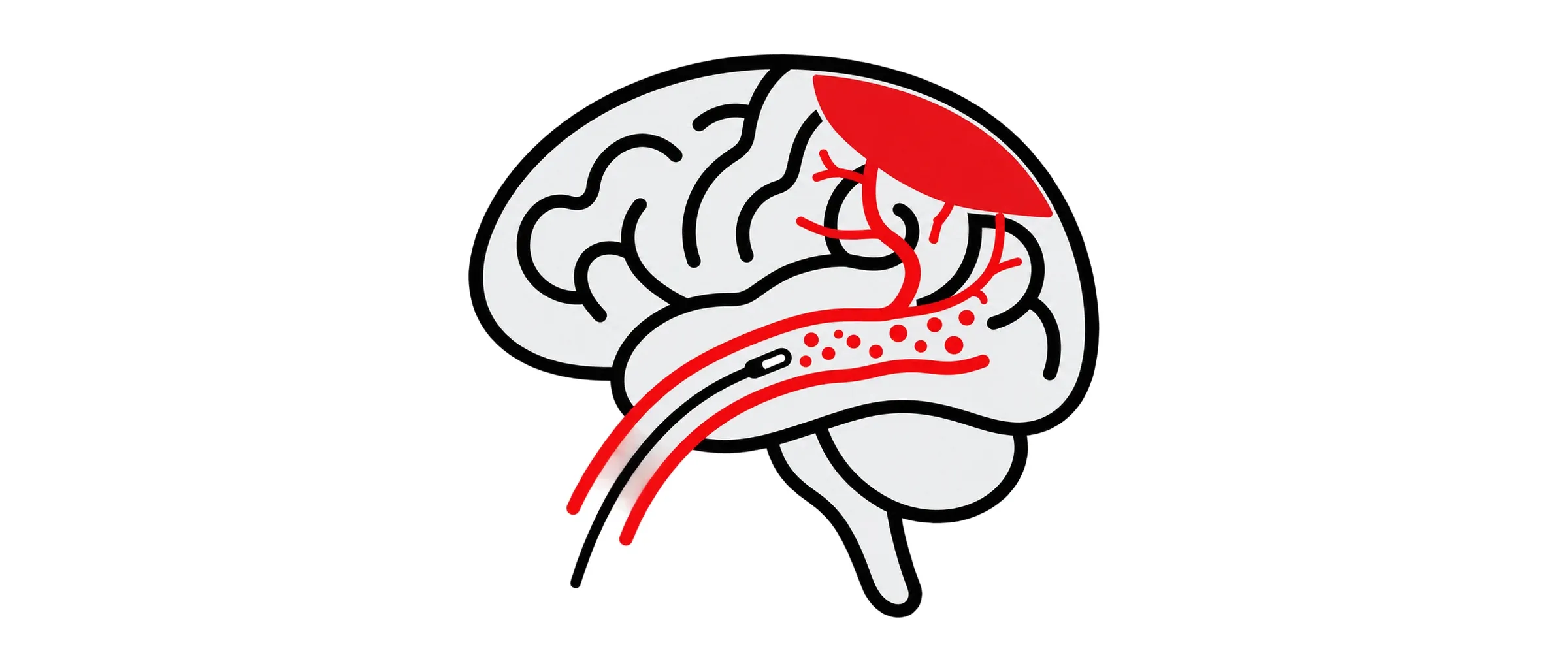
There are three tools, and some AVMs need more than one. During embolisation, under general anaesthetic I navigate a microcatheter deep into the feeding arteries and inject a liquid embolic agent to close the nidus, either to cure an AVM outright or to shrink a larger one before surgery or radiosurgery. Surgery removes the AVM through an opening in the skull. Gamma Knife radiosurgery, which I also do, closes the vessels slowly over two to three years without an incision. Some AVMs are safer left alone than treated, and I will tell you if yours is one. Every AVM I treat is discussed at a multidisciplinary meeting with neurosurgical and radiosurgical colleagues first.
What to expect
Embolisation usually means one or two nights in hospital. Staged treatment means more than one admission, planned in advance.
Risks and follow-up
The main risks of embolisation are bleeding and stroke, and they depend on where the AVM sits and how it is fed. I quote the figures for your AVM at the consultation. Follow-up angiography confirms the result, because an AVM is only cured when no shunting remains.
Common questions about brain AVM
Does an AVM always need treatment?
No. For some, particularly those that have never bled and sit in eloquent brain, the risk of treatment is higher than the risk of leaving it.
Why does treatment take several stages?
Closing a large AVM in one go can overload the surrounding brain with blood it is not used to. Staging is a safety measure.
Have another question?
Ask a question and the AI assistant will answer from Dr Makalanda’s published information. It cannot give personal medical advice, so please do not share personal or medical details. For emergencies, call 999.