Gamma Knife for AVM
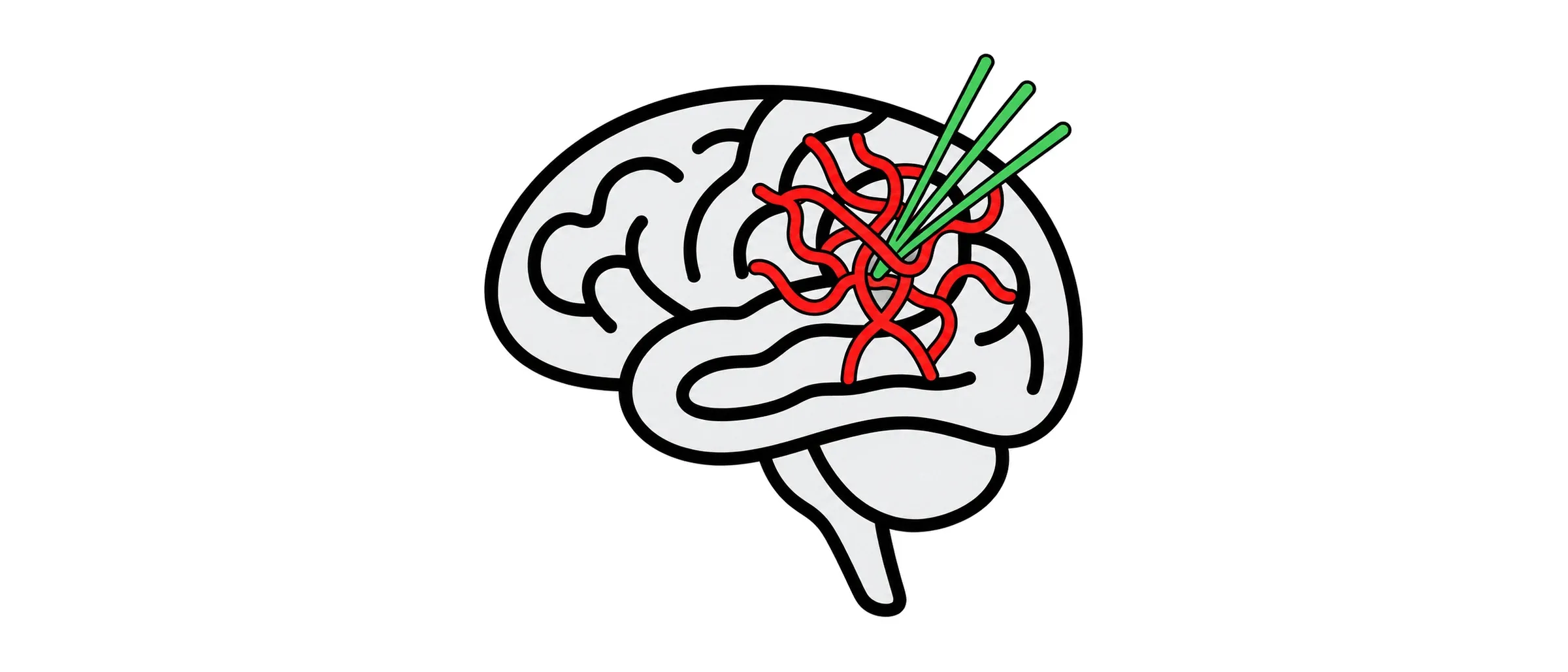
Gamma Knife is not a knife and involves no cut. It focuses many fine beams of radiation on the AVM so that its vessels thicken and close over the following two to three years. As a Consultant Stereotactic Radiosurgeon I plan and deliver it for selected AVMs.
What it is
Radiosurgery delivers a single high dose of radiation to a precisely mapped target, sparing the brain around it. For an AVM the radiation injures the abnormal vessel walls so that they slowly scar shut. It suits AVMs that have not bled and are small to moderate in size and sit deep in the brain or in areas where surgery would carry too much risk.
How the decision is made
Every AVM is discussed by the neurovascular team: neurosurgeon, radiosurgeon and interventional neuroradiologist. Sometimes embolisation first shrinks the AVM or removes a high-risk feature, and Gamma Knife then finishes the job.
What a treatment day involves
Treatment is a day case. A light frame is fitted to the head under local anaesthetic, an MRI and often a catheter angiogram are performed with the frame on to map the AVM precisely, the plan is calculated and the treatment itself takes from under an hour to a few hours depending on the size of the target. You go home the same day.
What to expect afterwards
Nothing changes at once. The AVM closes slowly, and during that time it can still bleed, so follow-up MRI at intervals tracks the response and a catheter angiogram at the end confirms closure.
Risks and follow-up
Headache and tiredness for a few days are common. The important risks are swelling in the brain around the AVM in the months after treatment, which can cause symptoms and sometimes needs steroids, and radiation injury to the surrounding brain. The chance of complete closure depends on the size of the AVM and the dose, and I discuss the figures for your case.
Common questions about Gamma Knife for AVM
Is Gamma Knife the same as radiotherapy?
It is a form of radiotherapy, but given as a single precisely targeted dose rather than a course of treatments over weeks.
Will I lose my hair?
Usually not. Hair loss is uncommon and, when it happens, patchy and temporary.
Have another question?
Ask a question and the AI assistant will answer from Dr Makalanda’s published information. It cannot give personal medical advice, so please do not share personal or medical details. For emergencies, call 999.