Brain aneurysm
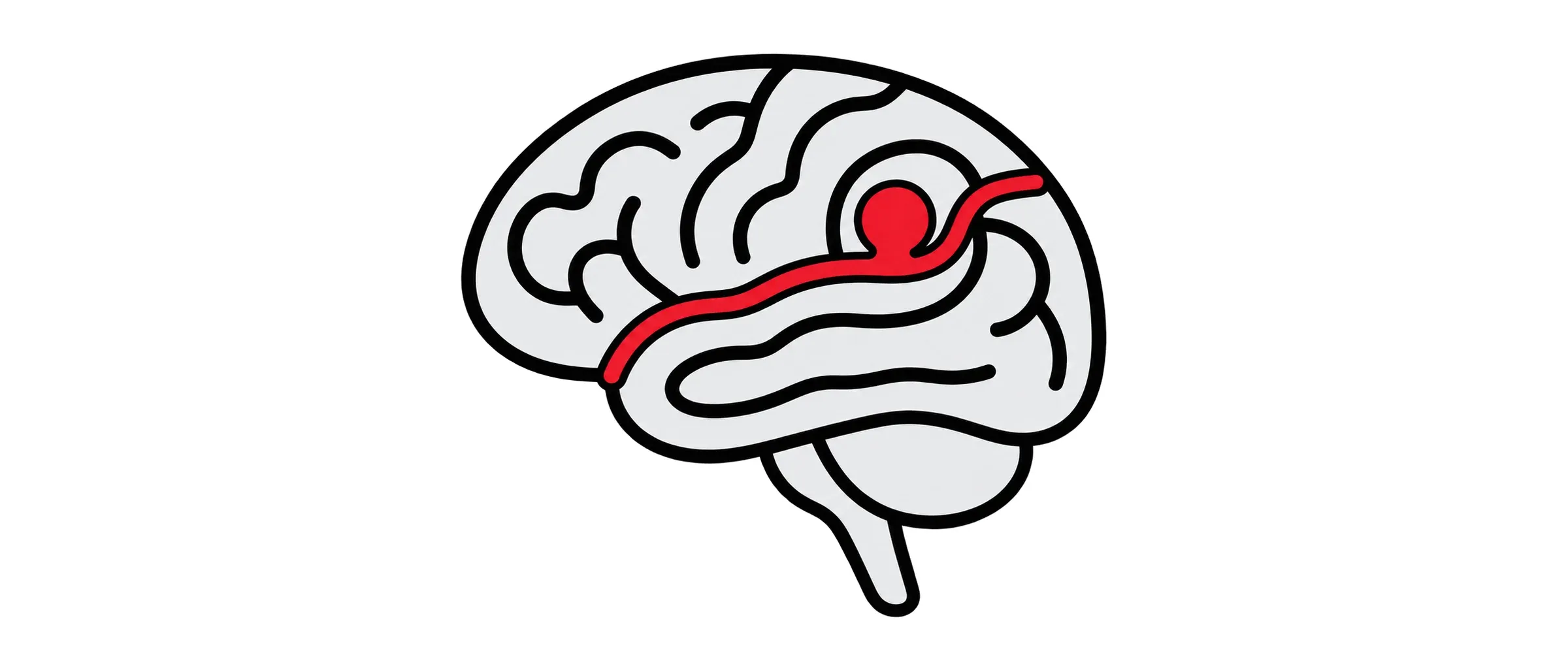
A brain aneurysm is a weak spot in an artery wall that has bulged outwards. Most never cause harm. My job is to work out whether yours is one that should be treated, and if so, to treat it from inside the artery without opening the skull.
What it is
An aneurysm forms where the wall of a brain artery is weaker than it should be and slowly balloons under the pressure of blood flow. Most are found by chance on a scan done for another reason. A small number cause symptoms by pressing on nearby nerves, and a small number rupture, causing bleeding around the brain (a subarachnoid haemorrhage). A sudden, severe headache unlike any you have had before is an emergency: call 999.
How it is found
CT or MR angiography shows the size, shape and position of the aneurysm. Sometimes I need a catheter angiogram, which gives the most detailed pictures of the artery and the neck of the aneurysm and lets me plan treatment precisely.
How I decide whether to treat
Not every aneurysm needs treatment. I weigh the aneurysm itself (size, shape, position, whether it has grown between scans) against you (age, blood pressure, smoking, family history, any previous bleed) and against the risks of the procedure. Validated scoring systems, such as the PHASES 5-year score, help quantify risk. For small anterior circulation aneurysms the annual rupture risk is often less than 1%. These scores inform the decision rather than make it. Where the balance favours watching, I arrange follow-up scans at set intervals and see you again with the results. Where it favours treatment, I explain the options and the risks of each, and you decide with me.
How I treat it
Almost all the aneurysms I treat are treated from inside the blood vessel, usually through a small puncture at the wrist. Coiling fills the aneurysm with soft platinum coils so blood no longer enters it. Stent-assisted coiling adds a fine mesh scaffold across the neck of the aneurysm to hold the coils in place. Flow diversion places a denser stent in the artery itself, redirecting blood past the aneurysm so it closes over the following months. Which I use depends on the shape of the aneurysm and the artery it sits on. Open surgery (clipping) remains the right choice for a few aneurysms, and I refer to a neurosurgical colleague when it is.
What to expect
Treatment is under general anaesthetic and usually means one night in hospital. Most patients are back to normal activities within a week or two. If a stent or flow diverter is used you will take antiplatelet (blood-thinning) tablets for a period, and I will tell you exactly how long.
Risks and follow-up
Every procedure carries risk, and for aneurysm treatment the main ones are stroke, bleeding and reaction to the contrast dye or anaesthetic. I quote the figures for your aneurysm at the consultation, because they depend on its position and on you. Follow-up scans check that the aneurysm has stayed closed; a small proportion need a second treatment.
Common questions about brain aneurysm
Does an aneurysm mean I will have a bleed?
No. Many aneurysms never bleed. The decision to treat rests on the factors above, not on the diagnosis alone.
What size is “dangerous”?
Size matters, but it is not the only factor. Shape, location and patient factors can be equally important.
Do headaches mean my aneurysm is about to rupture?
Most headaches are not related to aneurysm rupture. If you ever have a sudden “worst headache of your life”, seek emergency care.
Will I need a catheter angiogram (DSA)?
Sometimes. It depends on how clear your non-invasive imaging is and what your specialist needs to plan treatment or follow-up.
Is endovascular treatment always safer than surgery?
Not always. The best option depends on aneurysm anatomy, location and your overall health.
If I have a stent or flow diverter, what medication is needed?
Many patients need antiplatelet (blood-thinning) medication for a period of time. Your care team will tailor this to you.
Can an aneurysm come back after treatment?
In some cases, yes. That is why follow-up imaging is important.
Can I fly, exercise or go to the gym?
Usually yes after a week or so. I will tell you if there is a reason to hold back, for example in the weeks after treatment.
Can stress cause rupture?
Stress can raise blood pressure, which may affect risk. Managing stress and blood pressure is generally recommended.
Can I get a second opinion?
Yes, and I see patients for exactly that. Bring your scans and reports.
Have another question?
Ask a question and the AI assistant will answer from Dr Makalanda’s published information. It cannot give personal medical advice, so please do not share personal or medical details. For emergencies, call 999.