Intracranial stent
Arteries inside the head can narrow just as those in the neck do. For patients who keep having strokes or TIAs despite the best medical treatment, opening the narrowing with a balloon and a stent is an option.
What it is
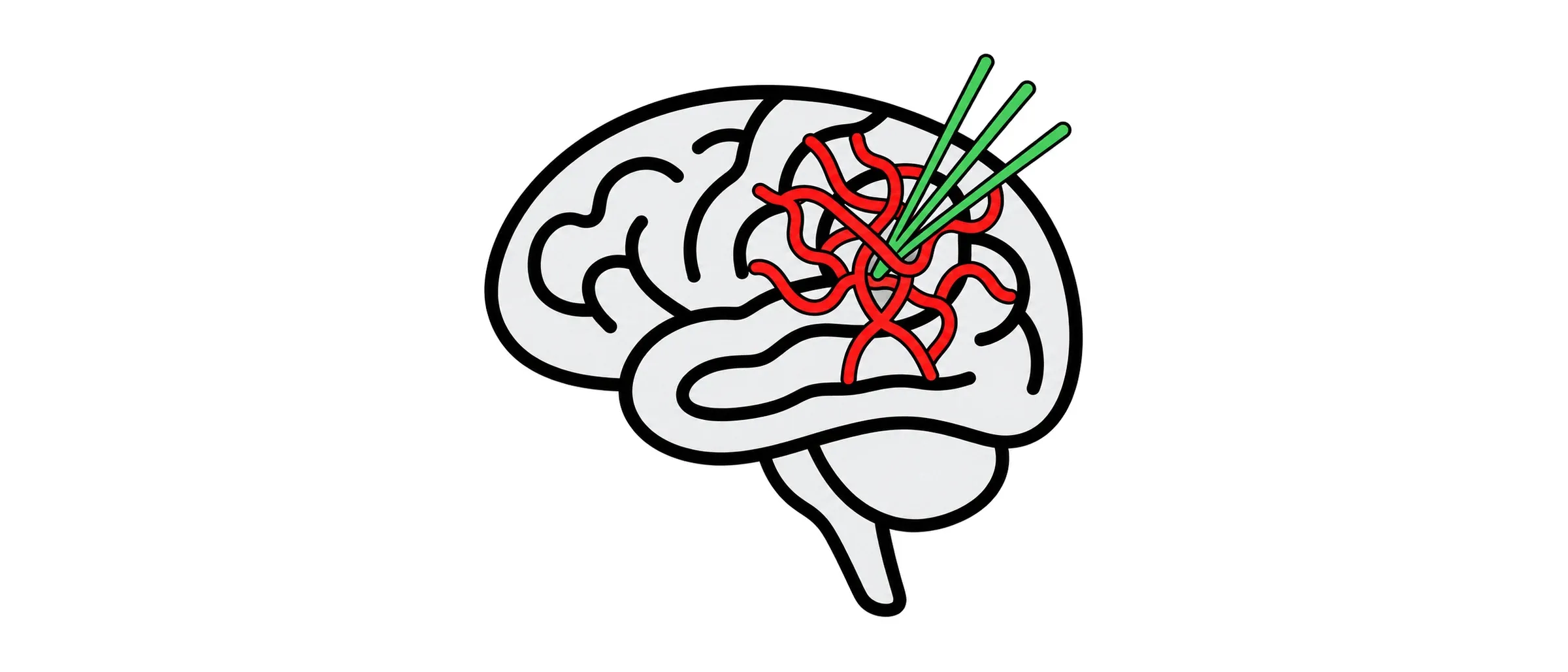
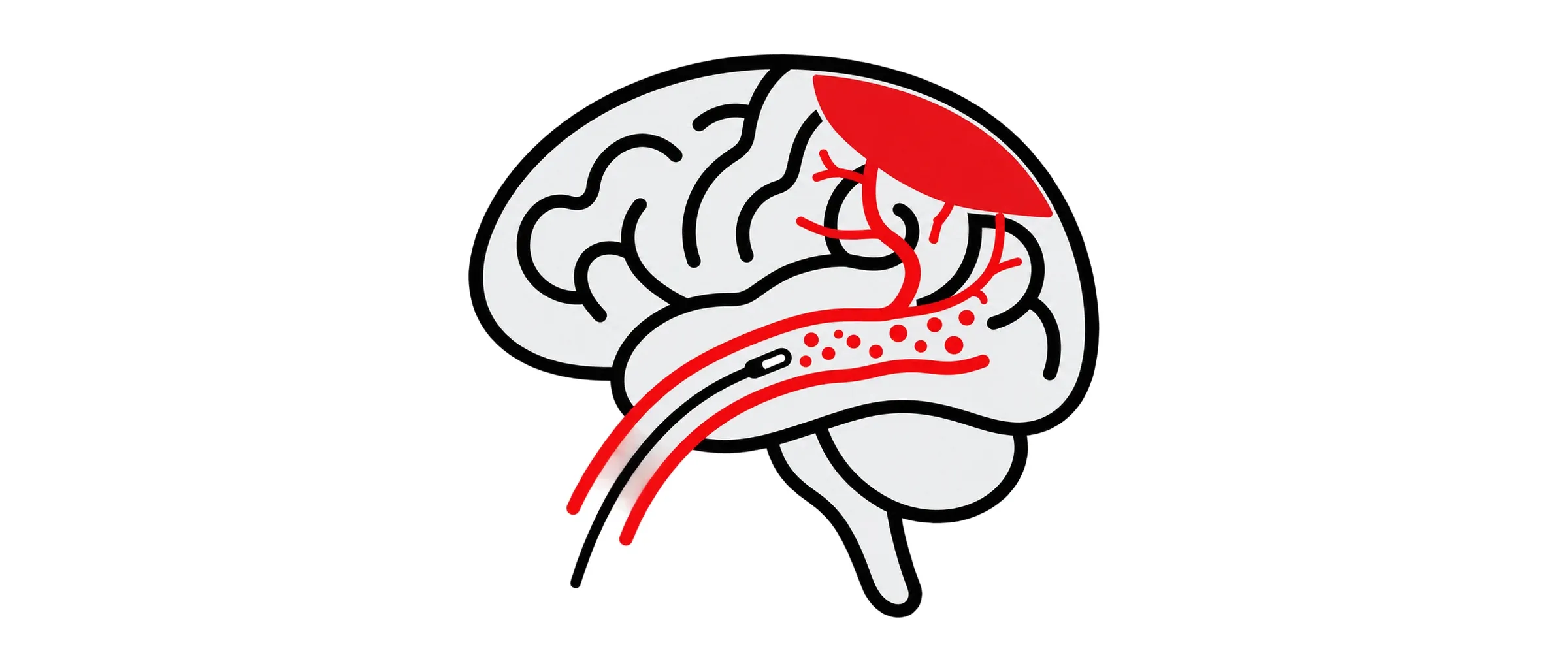
Intracranial stenosis is a narrowing of an artery inside the skull, usually from atherosclerosis, sometimes from inflammation of the vessel wall or a tear in its lining (dissection). It causes stroke either by blocking the artery outright or by starving the brain beyond it of flow when blood pressure drops.
How it is found
CT or MR angiography shows the narrowing. Advanced MRI of the vessel wall, which I use routinely, helps tell atherosclerosis from inflammation or dissection, because the treatment differs. A catheter angiogram measures the narrowing precisely and is the final step before any procedure.
How I treat it
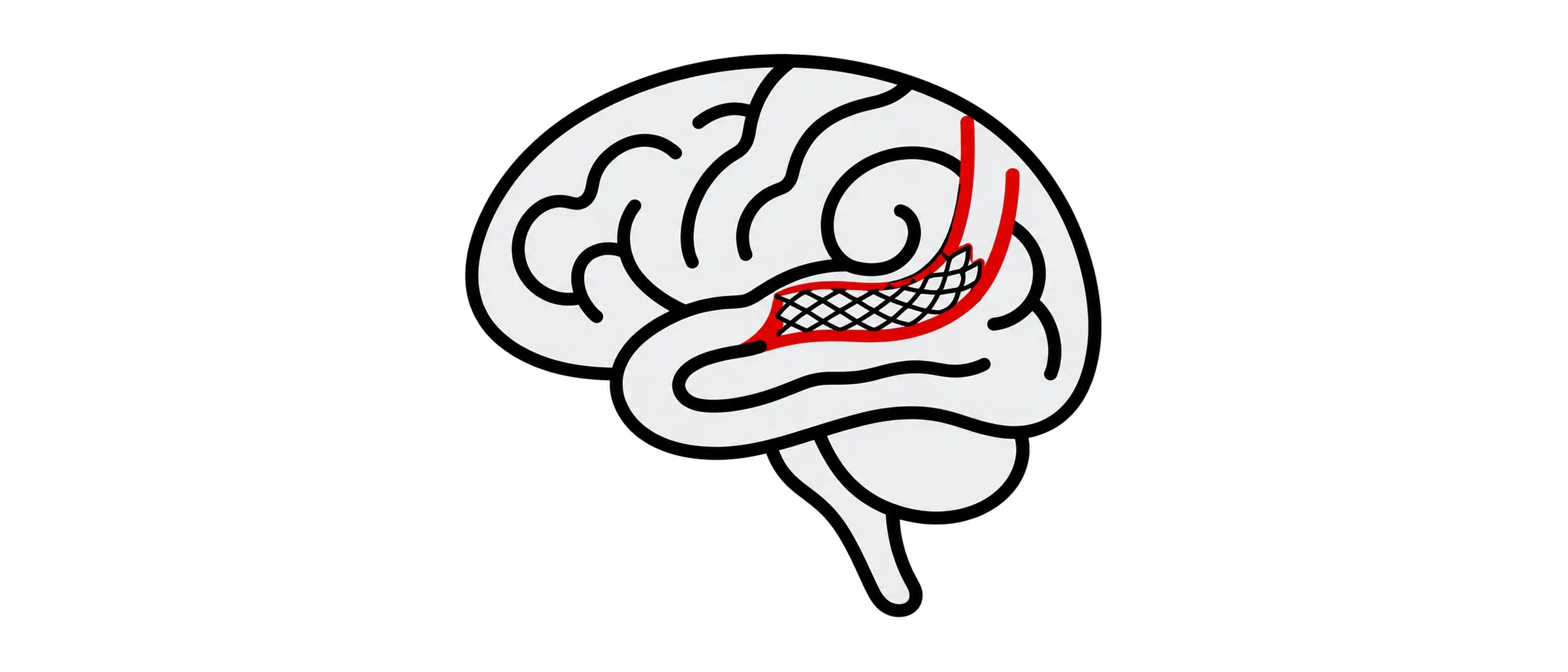
Medical treatment comes first and works for most people: two antiplatelet medicines, high-dose cholesterol treatment, tight blood pressure control and stopping smoking. Stenting is reserved for patients who have further events despite this. Under general anaesthetic I pass a microcatheter from the wrist or groin into the affected artery, gently open the narrowing with a small balloon (angioplasty) and, where the artery needs support, place a fine self-expanding stent. Sometimes the balloon alone is enough.
What to expect
One or two nights in hospital. Two antiplatelet medicines for a period afterwards, then one long term. Follow-up imaging to check the artery has stayed open.
Risks and follow-up
This is a procedure with real risk, and I say so plainly. Stroke from the procedure itself, bleeding into the brain when flow is suddenly restored and re-narrowing inside the stent are the main ones. That is why it is offered only when the risk of leaving the narrowing untreated is higher still. I quote the figures for your case at the consultation.
Common questions about intracranial stent
Is intracranial stenting safe?
Safer than it was, in experienced hands and in carefully chosen patients, but not without risk. The decision is a balance, and I will give you both sides of it.
Can this be done through the wrist?
Usually, yes. I pioneered routine wrist access for brain procedures in the UK; it means no lying flat for hours afterwards and a quicker discharge.
Will I still need my medicines after a stent?
Yes. The stent treats one narrowing; the medicines protect every other artery. Two antiplatelet medicines continue for a period, usually several months, then one long term, alongside cholesterol and blood pressure treatment. Stopping them early risks a clot forming inside the stent.
When can I get back to normal?
Most people are up and walking the next day and back to light activity within a week. The driving rules after a stroke or TIA apply whatever the treatment, and I will go through them with you.
Have another question?
Ask a question and the AI assistant will answer from Dr Makalanda’s published information. It cannot give personal medical advice, so please do not share personal or medical details. For emergencies, call 999.