Carotid stent
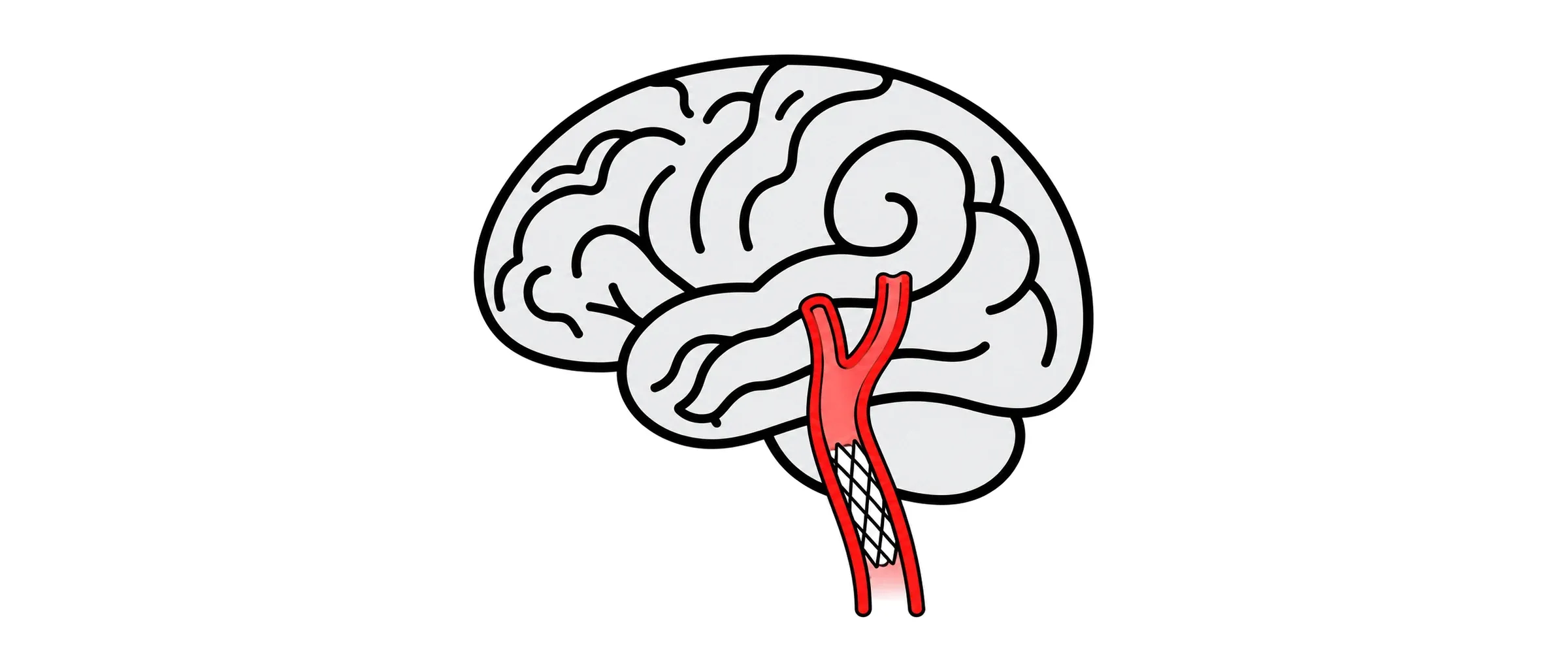
The carotid arteries in the neck carry most of the blood to the brain. When one narrows with fatty plaque it can shed clots and cause a stroke. Stenting holds the artery open from the inside.
What it is
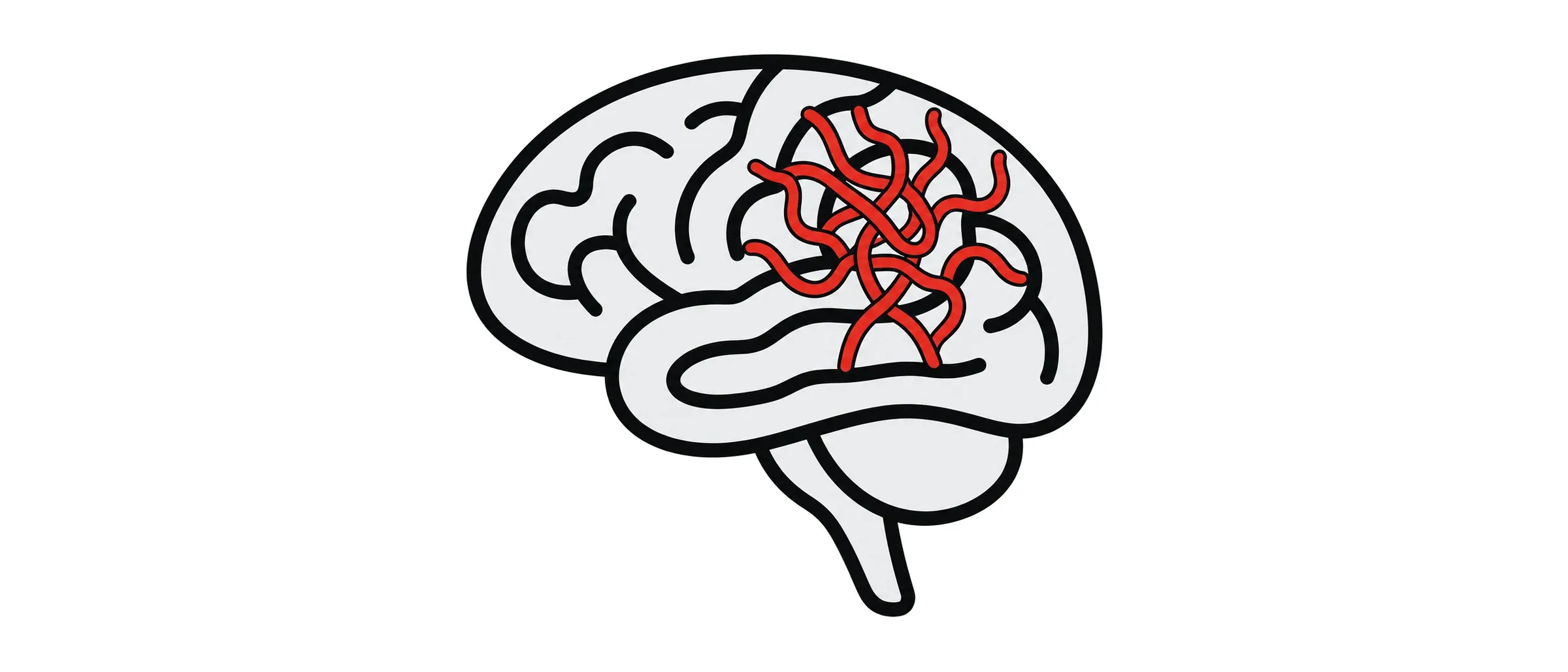
Carotid stenosis is a narrowing of the artery, almost always from atherosclerosis. Many people have no symptoms until a fragment of plaque or clot breaks away and blocks a brain artery, causing a TIA (symptoms that resolve within a day) or a stroke. A brief loss of vision in one eye, like a curtain coming down, is a classic warning sign. New stroke symptoms need 999, not a clinic appointment.
How it is found
A neck ultrasound is usually the first test. CT or MR angiography then shows exactly how tight the narrowing is and what the plaque looks like, which is what I need to advise on treatment.
How I treat it
Everyone with carotid narrowing needs medical treatment: antiplatelet tablets, cholesterol-lowering medicine, blood pressure control and stopping smoking. When the narrowing is severe (70% or greater, the threshold at which the ECST and NASCET trials showed clear benefit) and has already caused symptoms, reopening the artery lowers the chance of a further stroke.
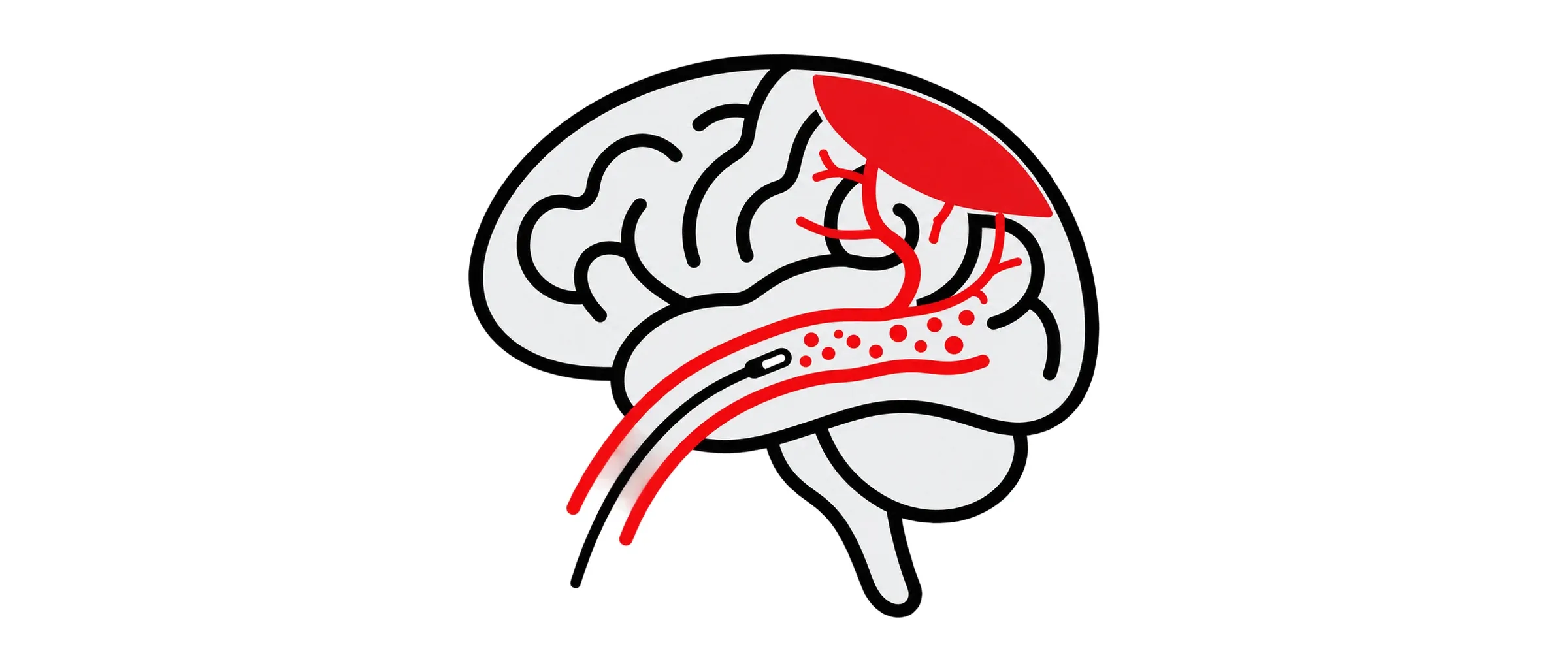
There are two ways to do that. Carotid endarterectomy is an operation on the neck to remove the plaque. Carotid stenting reaches the artery from inside: I pass a catheter from the groin or wrist, place a filter beyond the narrowing to catch any debris, open the narrowing with a balloon and leave a self-expanding mesh stent in place. Which is right depends on the anatomy of the narrowing, your general health and the risks of each. I discuss both, and I work alongside vascular surgical colleagues so you get the right one.
What to expect
Stenting is done under local anaesthetic with sedation, or a general anaesthetic, and usually means one night in hospital. You take two antiplatelet medicines for a period afterwards, then one long term.
Risks and follow-up
The principal risk of any carotid procedure is stroke during or shortly after it. Others include bleeding at the puncture site, a slow heart rate during balloon inflation and re-narrowing of the artery over time. I quote the figures for your case at the consultation. Follow-up is with ultrasound and CT.
Common questions about carotid stent
Is stenting better than surgery?
Neither is better for everyone. Stenting avoids a neck incision and suits some patients and some anatomies; surgery suits others.
My narrowing was found by chance and I have no symptoms. Do I need a stent?
Often not. Major trials evaluating intensive medical management demonstrate that modern medicines have driven the risk of stroke down substantially, making tablets and lifestyle changes the primary treatment. When I review your scans, I look closely at the plaque characteristics, how tight the artery is, and whether it has changed over time. If your risk remains low, medical therapy and surveillance are the right answer; if specific high-risk features are present, we discuss whether stenting adds meaningful protection.
Have another question?
Ask a question and the AI assistant will answer from Dr Makalanda’s published information. It cannot give personal medical advice, so please do not share personal or medical details. For emergencies, call 999.