Lumbar puncture
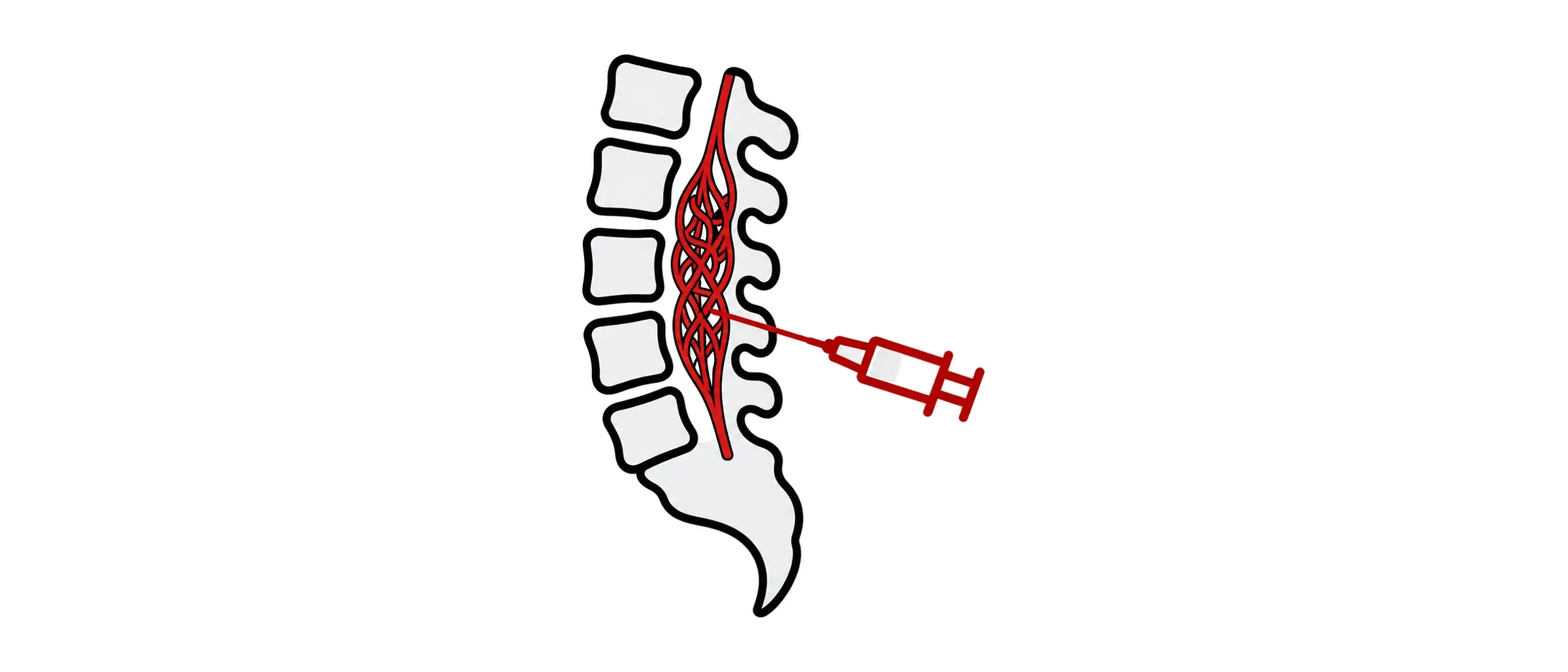
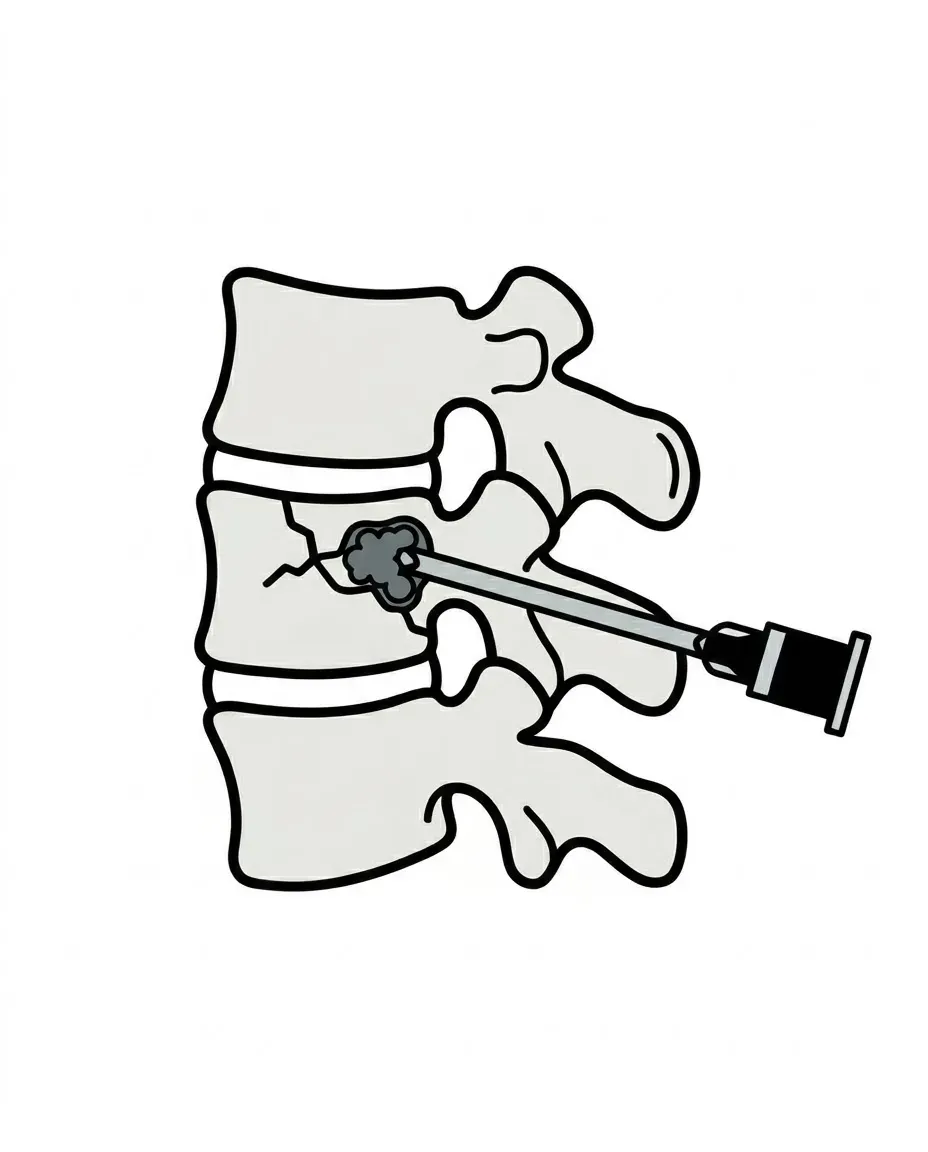
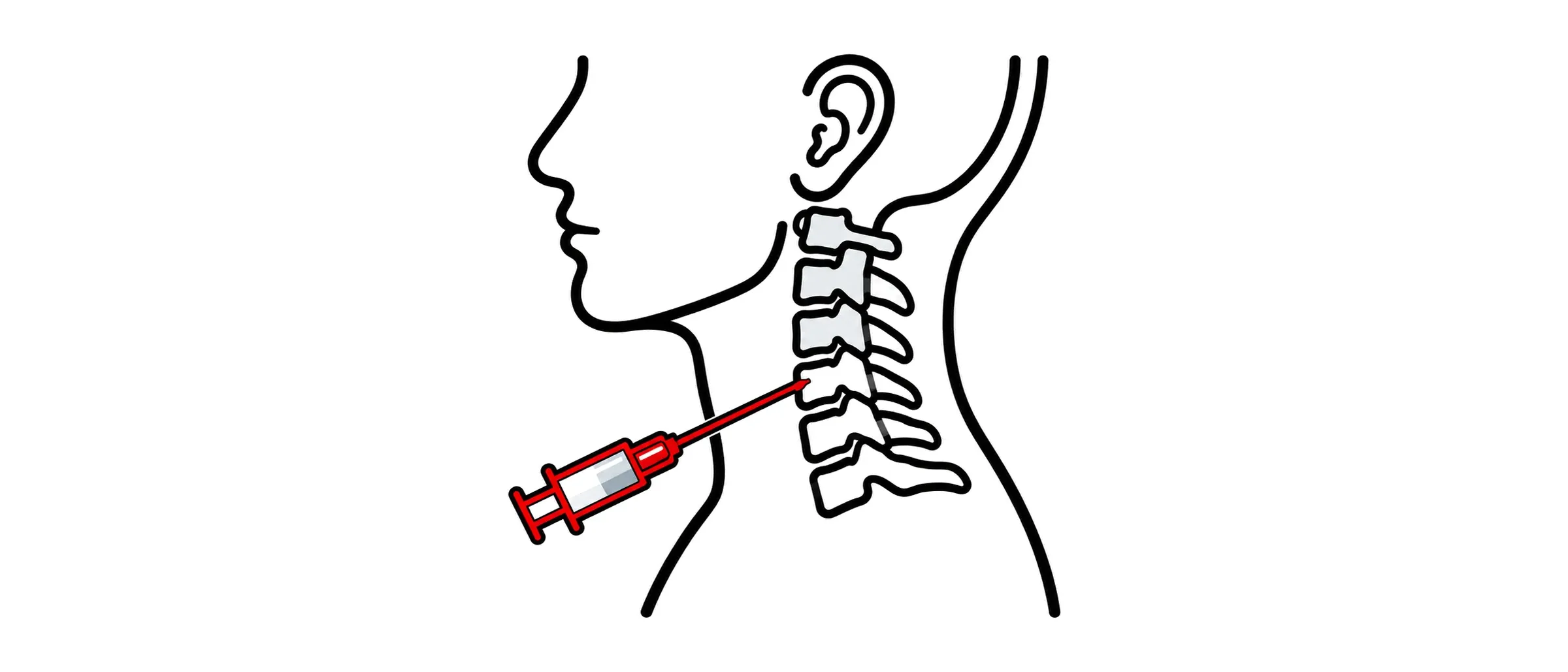
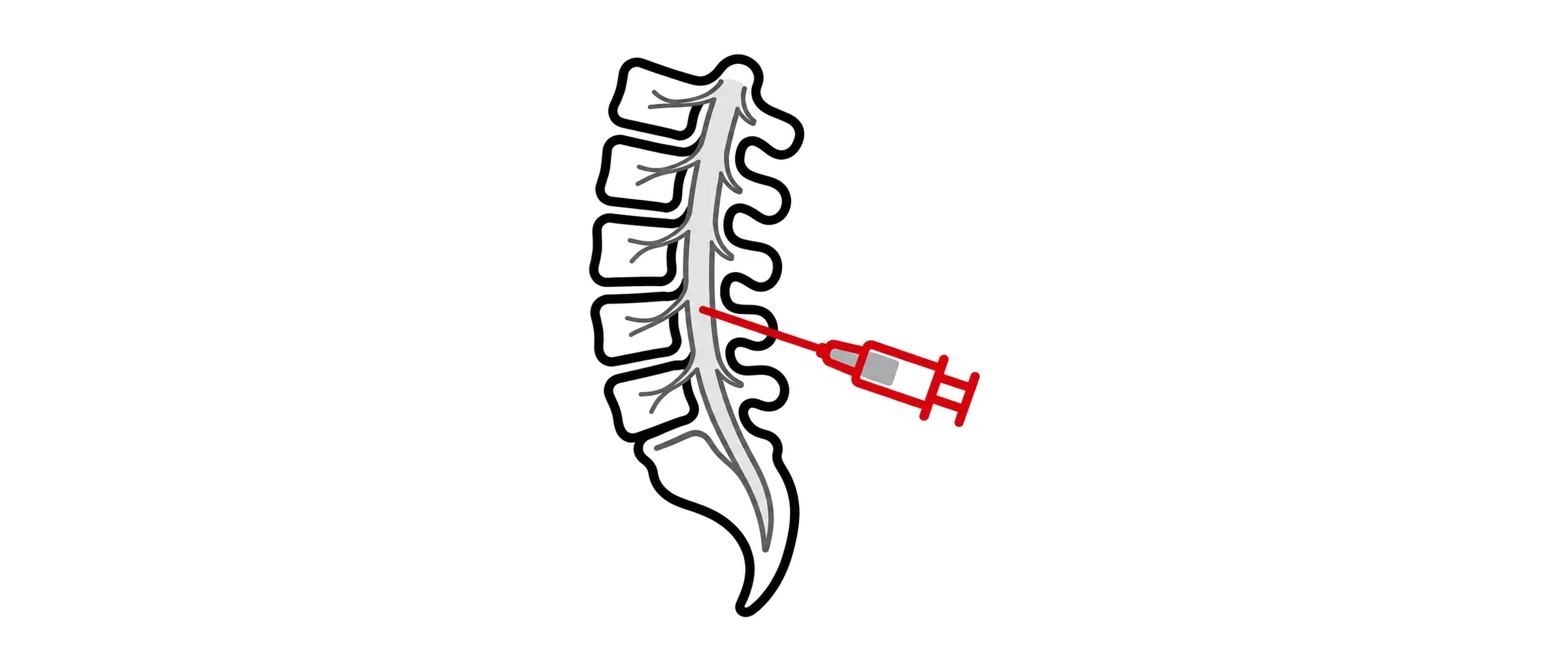
A lumbar puncture places a fine needle into the fluid space in the lower back to measure its pressure or take a sample. Doing it under imaging guidance makes it quicker, more comfortable and reliable when a standard puncture has been difficult.
Why it is done
In my practice the commonest reason is to measure the opening pressure in suspected idiopathic intracranial hypertension or, at the other extreme, suspected low pressure from a CSF leak. Fluid is also sampled to look for infection, inflammation or abnormal cells when a neurologist needs the answer. Removing fluid can relieve raised pressure temporarily. Imaging guidance is particularly helpful where the spine is arthritic, after spinal surgery, or when previous attempts have failed.
What happens
The procedure takes place in the CT or fluoroscopy room as a day case. You lie on your side or front. After local anaesthetic, I guide a fine needle between the bones of the lower back into the fluid space, confirm the position on the images, measure the pressure with a manometer, and collect the fluid needed. It usually takes twenty to thirty minutes. Because pressure is the point of the test in many cases, I ask you to relax and breathe normally while it is measured.
Afterwards
You rest lying flat for a period, drink plenty and go home with someone. Performing the puncture under imaging guidance with non-cutting, small-gauge needles keeps the incidence of post-dural-puncture headache (PDPH) below 5%. If a headache does occur in the following days from a small persisting leak at the needle site, it settles with rest and fluids in most cases and can be treated with a blood patch if it does not. Minor bruising and back discomfort are common and brief. Infection and bleeding are rare.
Common questions about lumbar puncture
Is it dangerous?
For most people it is a low-risk test. It is avoided where a scan shows the pressure could be dangerously high for a different reason, which is one of the checks I make first.
Will I need to stay in?
No. It is a day-case procedure.
Can it be done if I am on blood thinners?
Some need to be paused beforehand. Tell us what you take and I will advise.
When will I get the results?
The opening pressure is known at the time, and I tell you before you leave. Laboratory results on the fluid take from a day to a week or more, depending on the tests, and go to the doctor who asked for them.
What should I avoid afterwards?
Take it easy for the rest of the day and avoid heavy lifting or strenuous exercise for 24 hours. Most people are back at work the next day.
Have another question?
Ask a question and the AI assistant will answer from Dr Makalanda’s published information. It cannot give personal medical advice, so please do not share personal or medical details. For emergencies, call 999.