Spine injection
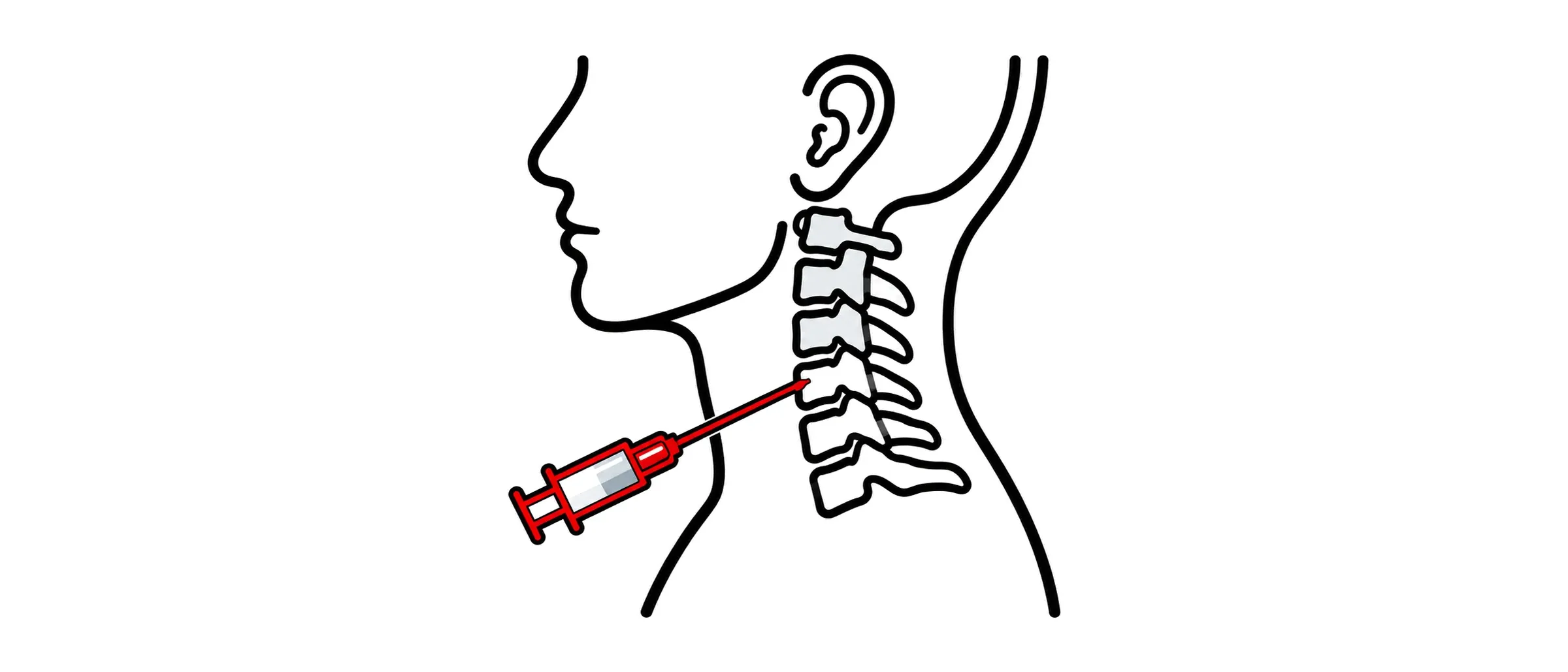
Pain from a trapped or inflamed nerve, or from a worn facet joint, can be treated by placing anti-inflammatory medicine exactly where the problem is. Imaging guidance is what makes the injection both accurate and safe.
What it treats
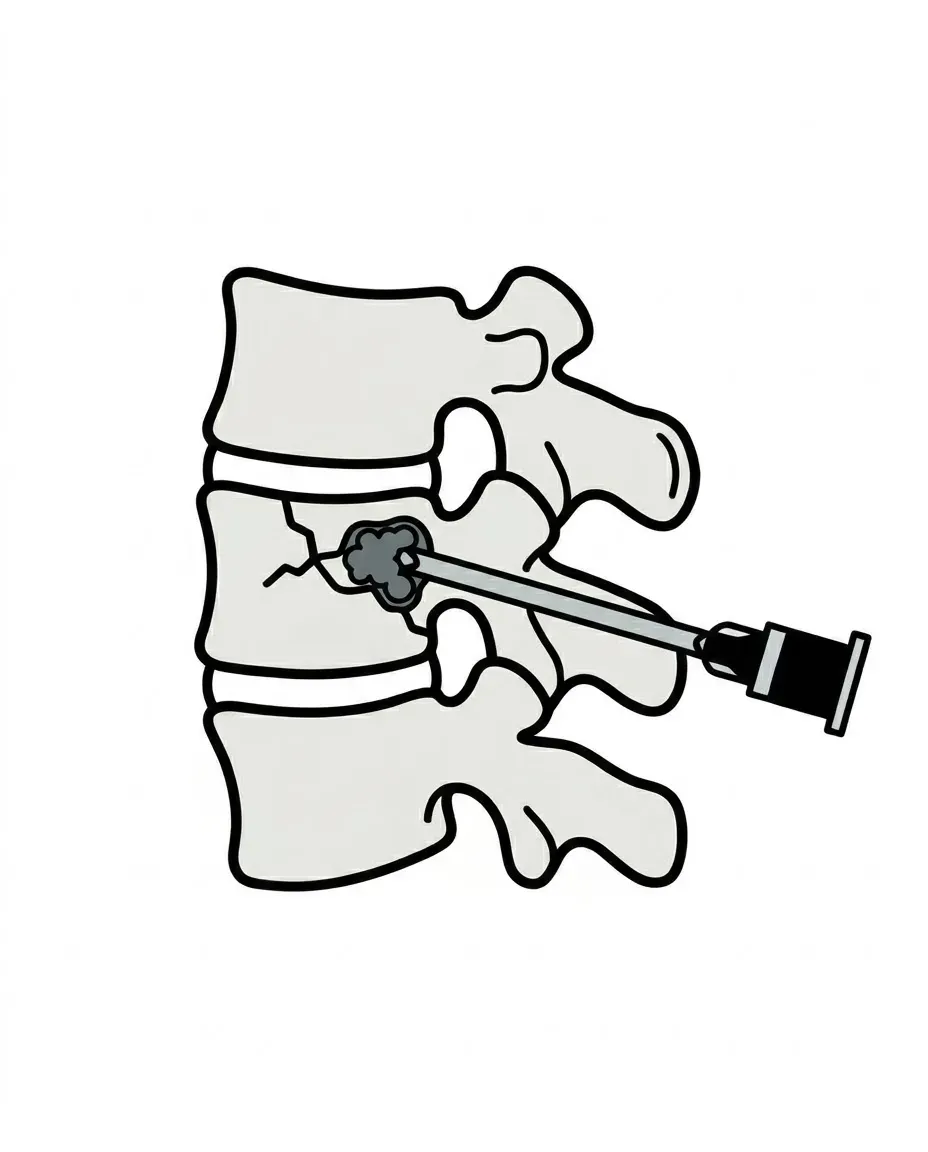
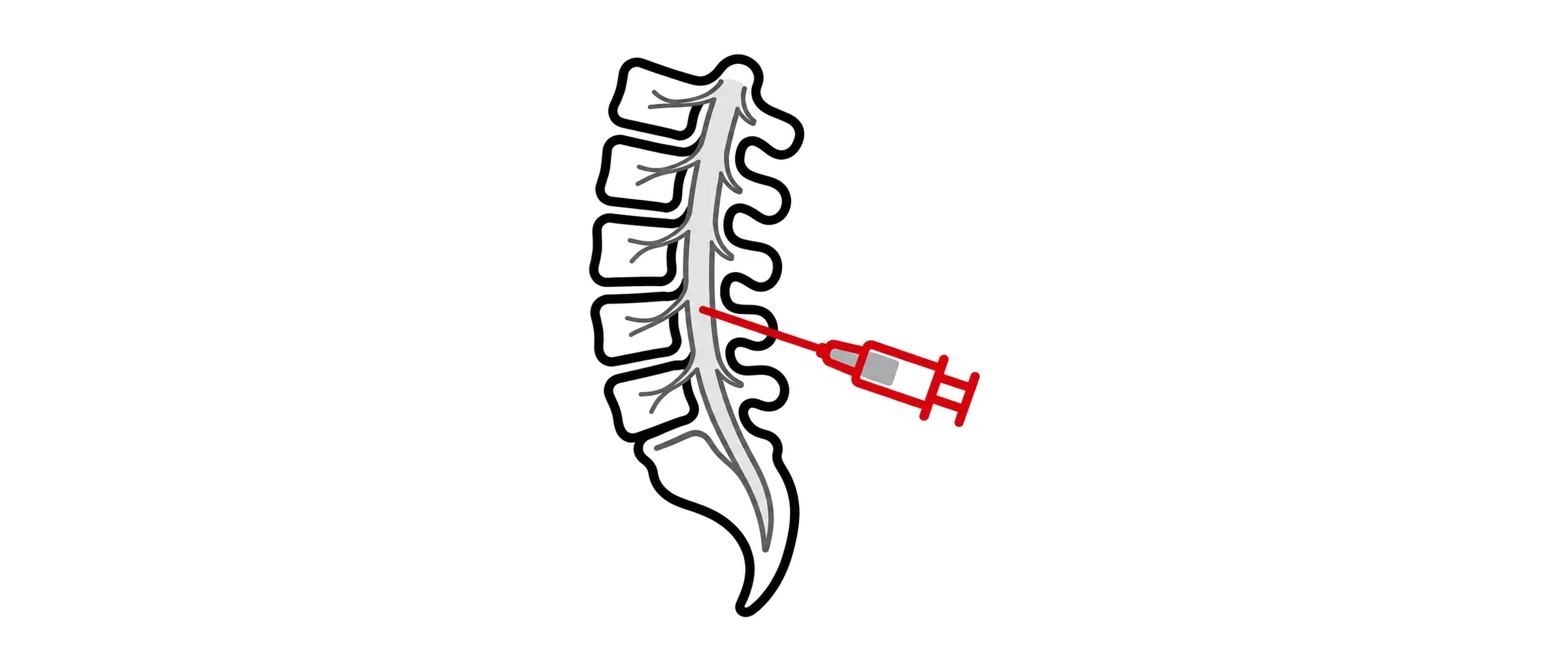
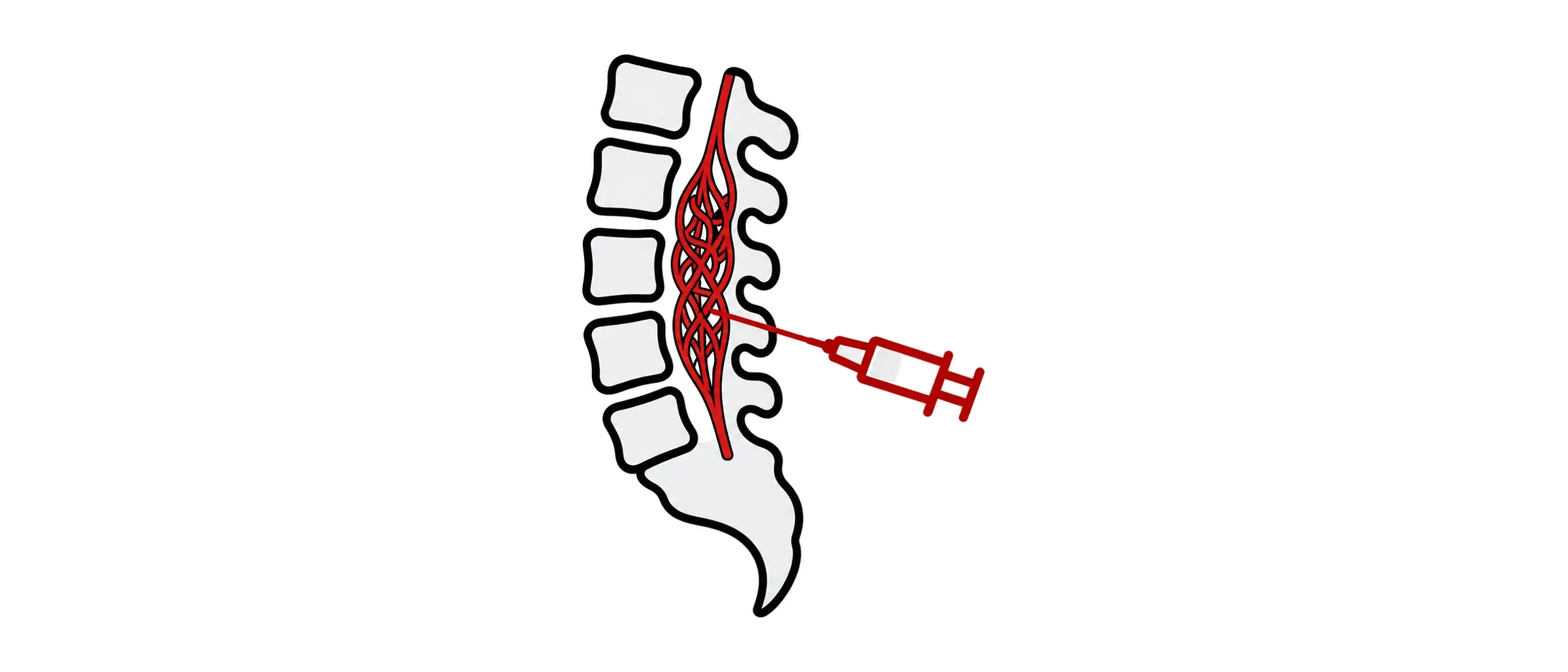
Two targets account for most injections. Nerve roots, where a bulging disc or bony narrowing irritates the nerve as it leaves the spine, causing pain, pins and needles or weakness down an arm or leg. Facet joints, the small joints at the back of the spine, which cause localised back or neck pain when worn or inflamed. The injection is a test as well as a treatment: if the pain eases, we have confirmed its source.
Why steroid, and why injected
Nerve pain is driven by inflammation around the nerve as much as by pressure on it. A steroid placed next to the nerve calms that inflammation at a concentration tablets cannot reach without side effects elsewhere in the body.
What happens
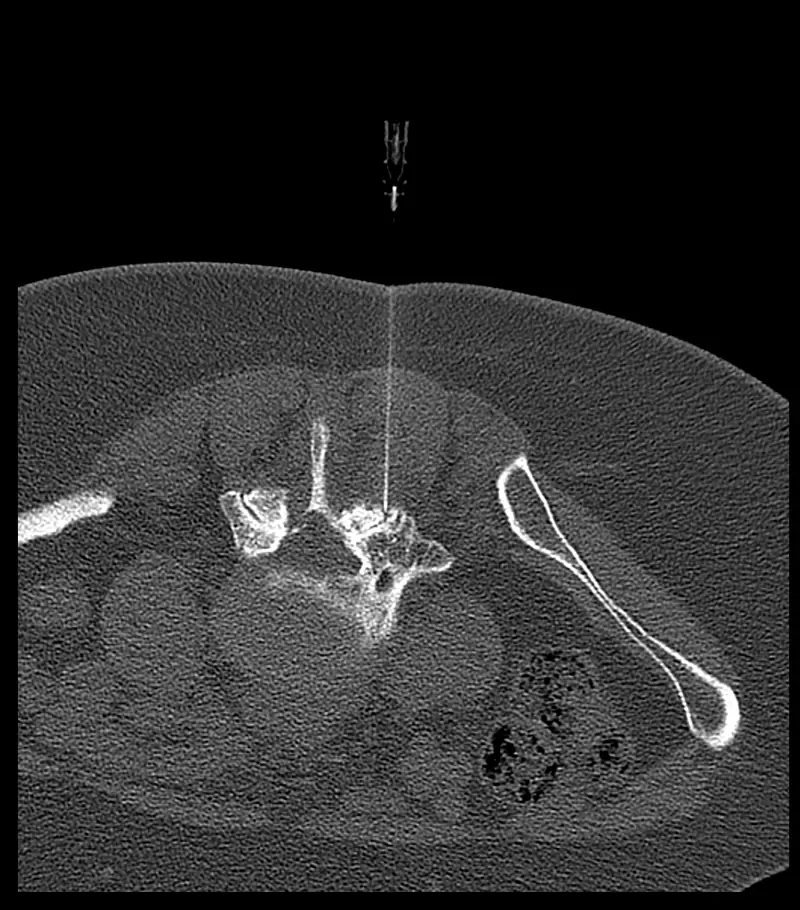
The injection is done in the CT scanner as an outpatient case. You lie on the table and keep still. I plan the safest path on the scan, clean and numb the skin, guide a fine needle to the target under imaging (for neck injections, steering clear of the carotid artery and jugular vein), and inject a mix of long-acting steroid and local anaesthetic. The needle is out within minutes and you go home shortly afterwards with someone to drive you.
What to expect
The local anaesthetic can relieve pain at once; the steroid takes a few days to work fully. Avoid strenuous activity for a day or two, then return to normal. The benefit lasts weeks to months and buys time for physiotherapy and recovery. Injections can be repeated at sensible intervals.
Risks
Temporary soreness at the site is common. Infection, bleeding, an allergic reaction and temporary numbness or weakness in a limb are uncommon. I will ask about blood thinners and allergies beforehand. Contact us about fever, increasing pain or redness at the site, or numbness or weakness that does not settle.
Common questions about spine injection
Will it hurt?
The numbing sting and a feeling of pressure. Most patients say it was easier than they expected.
When is an injection the wrong answer?
When there is progressive weakness, bladder or bowel disturbance or a structural problem that needs surgery. I assess each patient in a multidisciplinary spinal clinic so that the right patients get the right treatment.
Have another question?
Ask a question and the AI assistant will answer from Dr Makalanda’s published information. It cannot give personal medical advice, so please do not share personal or medical details. For emergencies, call 999.